Tuesday, March 10, 2009

Cauli-Power

My kids love cauliflower! Bet you can't say that. Maybe you can, maybe you understand the smile that starts in your toes and draws to both sides of your face when your child asks for a fruit or a vegetable or something as unhip as cauliflower.

I admit it; I was a cauli-hater. I saw no real redeeming value in that white (so I figured tasted bad AND not high in antioxidants) cabbage-like vegetable. That was until I roasted it one day and the bowl hardly made it to the table as we all tasted and tasted and tasted. That's still our favorite and easiest way to prepare cauliflower. The kids LOVE it. I love it. Even the Husband loves it. I bet the dog would too if he ever got any but we clean the bowl. Now I buy and make two at a time to keep up with our ravenous cauli-tite.

Like Broccoli, Cauliflower is a cruciferous super-vegetable that helps ward off and fight certain cancers. Only cruciferous vegetables are rich in the nutrients isothiocyanates, sulforaphane, and indole-3-carbinol, all linked with reducing the risk of breast, prostate, cervical, lung, and other cancers. Cruciferous vegetables boost the immune system, support cardiovascular health, build bones, fight cardiovascular disease, fight age-related macular degeneration, and help fight against birth defects. We should all make them a part of our healthful delicious diet.

Be on the lookout when YELLOW or ORANGE and PURPLE Cauliflower is available. Broccoflower and Romanesco Cauliflower, that's the one that looks like a lime-colored crown, are also fun and different. We love to try new vegetables and in new ways but hey, when you find something you love, like roasted cauliflower, well we make that all the time.

Roasted Cauliflower Power

Preheat oven to 425F
Chop up the cauliflower into sort of even size pieces so they cook the same
Drizzle on some olive oil and toss it around to coat it. Sprinkle on some sea or grey salt.
Lay on a cookie sheet. Do not crowd it. This is important, if you crowd it, it will steam, not the delicious goodness you are looking for so don't crowd it.
Roast 15-20 minutes, maybe more depending upon the size of your pieces, until it browns and caramelizes at the tips and tops and is tender. (Fork it to be sure, you don't want it tough or chewy, should be tender and soft and delicious!) Enjoy hot out of the oven - I dare you to get it to the table without a massive dent in the bowl.

Will make a cauli-lover out of any cauli-hater, takes one to have known one.


Roasting vegetables this way can actually make any vegetable more delicious as it caramelizes it. You can chop KALE and do the same thing (again, be careful not to crowd it and WATCH IT - don't overcook it - then crunch away like potato chips.) Broccoli is great roasted too. So is sliced cabbage. Remember the secret is not to crowd the pan.

So good. So easy. Roasted veggies are a healthy food my kids love!

Some other things I do to add nutritious foods to our kids bellies:
  • Breakfast Smoothies of course - I add flaxseed meal, flax oil, or chia seeds for added omega 3s as well as a healthy amount of fresh and colorful fruits, splash of vanilla, some honey or maple syrup and maybe a dash of cinnamon to milk, yogurt or kefir.
  • I add leafy greens to stews, dinners, lunches and our favorite is adding a healthy dose of Spinach to Basil Pesto which I add to everything from brunch Frittatas to Stews to Pizza. Getting more veggies is much easier when you start the day with foods like frittata. See my post on Greens here with that recipe and more ideas.
  • We have a hot breakfast in the morning, no cold cereal, rarely hot cereal, it's usually eggs. The lutein, antioxidants, protein, are all good to start their day. Some of them like scrambled, others like the yellows good and runny. Of course only organic and preferably pastured and free roaming and not soy-fed.
  • The kids love grassfed meat and rice and of course I add shredded zucchini and other vegetables, like a stir-fry.
  • The kids enjoy (healthful) yogurt as a snack or a meal. They like dipping spelt pretzels into it or fruits. Make sure it is real yogurt, not the ones loaded with sugars, emulsifiers, fillers and rBGH. We like Seven Stars organic biodynamic brand best - the vanilla rocks but we usually get plain and add the maple syrup and vanilla ourselves.
  • We eat together. We eat our meal not several different meals. We eat together. I had to say that twice because I have seen several friends feed their kids "kid-food" first and then clean up the kids, send them away, and sit down for the adult meal. Kids need to be part of that adult meal. They need to see us taste new foods, even if we don't like it. They need to see us eat our vegetables. They need to be with us and we need to be with them.
I'm not a believer in hiding vegetables in the brownie. If that's your thing, that's cool, it's just not mine. I think that the brownie should be experienced unadulterated and pure, with very little flour and only whole wheat, and succanat, but you will not find spinach puree in my baked goods.

I will, however, hide vegetables in ground beef, meatballs, meatloaf, pesto.

I think kids should see and enjoy the color of vegetables and experience each one at least three times, yes, even under duress and threat of taking away every electronic device that they cannot bear to live without. They won't starve, I promise, well, they may for a couple days if they are as stubborn as one of mine, but hey, it's part of the adventure and eventually they will indeed eat the food you prepare for your family.

For more tips on how my children make good food decisions on their own see: How Has Real Food Changed Our Lives?

This post is part of two Carnivals:

Getting Human is the topic for today at

and

is about Kid-Friendly Real Food - Healthy Food Kids Love! Join the Real Food Wednesday Carnival by heading over to CheeseSlave and Join the Works For Me Wednesday Carnival by going to We Are That Family.

Friday, March 6, 2009

Come Clean Now - Green Spring Cleaning

We did it cold turkey. We just stopped buying all the "brand" name cleaners. It was a bit strange. It was many years ago when we had a housekeeper. Talk about a deer caught in the headlights!

She resisted hard. She even went out and bought some products herself but we made it clear that this was our new reality. Slowly we all learned how to use safer brands and regular household items we had on hand to clean.

Turns out that smell we have been taught is "clean" is actually toxic. We have to retrain our sniffer once we stop using chemical cleaners. Standard cleaning products are linked to infertility, asthma, and cancer. These strong chemicals can be especially dangerous to our children. According to a 1991 study, we use more than 25 gallons of toxic products per year in our homes. Indoor air pollution is often much worse than the pollution outdoors; this is due in large part to the cleaning products and air fresheners, but also is due to burning scented candles and off-gassing of new items in our home. These smells are harmful to us, our children, and our environment.

To make your home truly clean and healthy, make changes slowly. For many of us, changing brands and the way we clean (as well as the choice we make in our personal care items) is the last thing to change. It's hard to do it differently than the way our mother did it. But I encourage you to join me and many others in making this change. Do it for your health, the health of your family, and to tread lighter on the planet. Start with the worst offender, Chlorine.

Chlorine Bleach (Sodium Hypochlorite) is one of the most widely used toxins for cleaning. Chlorine can react with other chemicals, like ammonia, to damage lungs and the fumes are possible carcinogens. Once Chlorine gets into our environment, it forms cancer-causing compounds. Studies show a link between dioxins and cancer as well as reproductive problems, endocrine disruption, and a weakened immune system. It is listed as a "hazardous pollutant" according to the Clean Air Act and is on EPA's Right To Know List.

Chlorine is used in clothing, paper products, swimming pools, laundry products, scouring pads, in our drinking/bathing water, and of course in cleaning products. It is readily absorbed through the skin and is toxic when inhaled. In fact, it was used full strength as a weapon to destroy the lungs of soldiers in WWI. Detergents and Chlorine are the leading cause of childhood poisonings. Cleaning products are responsible for nearly 10%t of all toxic exposures according to U.S. Poison Control Centers, and nearly two-thirds involve children under six years of age who swallow or spill cleaners on themselves.

Avoid personal and cleaning products that contain:
  • Ammonia
  • APEs - Alkylphenol Ethoxylates
  • Chlorine Bleach
  • DEA, MEA, TEA
  • Fragrance*
  • Sodium Lauryl Ether Sulfate - SLES or SLS Sodium Laureth Sulfate
*When the ingredients generally list "fragrance," it is highly likely that they are hiding phthalates. Phthlates are known hormone disrupters leading to issues in fertility; they have been linked to birth defects. Plasticizers in plastic products also contain phthalates. Fragrance from pure, natural, essential plant oils are fully biodegrade and are non-toxic.

But this is a very short list and unbeknownst to us consumers, not all ingredients are listed on labels because they are considered "trade secrets." This is common in perfumes and personal care products. But watching for these key chemicals is a start.

Then there are terms that make us feel warm and fuzzy so we buy them thinking they are safer but buyer beware, the following terms are unregulated or don't necessarily mean much of anything:
  • "biodegradable" (unless it gives a clear time frame)
  • "eco-friendly"
  • "nontoxic"
  • "natural"
  • "no CFCs" - no Chlorofluorocarbons**
  • "non-toxic"
  • "organic"
**Chlorofluorocarbons (CFCs), Hydrochloro-Flourocarbons (HCFCs), and Halons deplete the ozone layer and allow UV radiation to get to earth (potential skin cancer). They are also a cardiovascular toxin. They have therefore been BANNED since 1978. So a note of "no CFCs" on the label of an aerosol is completely misleading and meaningless. Nowadays aerosols use Isobutane Propane and Butane and though they don't destroy the ozone layer, the latest studies indicate that they are toxic to the heart and central nervous system. Aerosols are inherently dangerous because the very nature of pushing tiny droplets into the air means that the contents can be easily inhaled and absorbed quickly into our bloodstream. As a rule, avoid aerosols.

There are now plenty of safer cleaning brands including: CitraSolv, Ecover, Oxo-brite, Ecos/Earth Friendly, Seventh Generation, and now even Chlorox has Green Works. All of these work just as well as the standard commercial brand but are safer for people and planet. Begin by replacing your standard brands as they run out with better brands or better yet, save money by making your own safe effective cleaning products (as well as personal care products) at home with simple supplies like:
  • Baking Soda or Sodium Bicarbonate
  • Borax
  • Club Soda
  • Corn Starch
  • Essential Oils
  • Flour
  • Herbs, fresh
  • Hot Water - steamer or boiling water
  • Hydrogen Peroxide
  • Lemons and Fresh Lemon Juice
  • Liquid Castile Soap - Dr. Bronner's
  • Oil
  • Salt
  • Scrub Brushes, Spray Bottles and Containers
  • Sodium Carbonate or Washing Soda or Soda Ash
  • Toothpaste
  • Vinegar
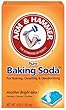
Baking Soda is a great all around, nontoxic, product with many uses. It deodorizes, scrubs gently, polishes, cleans and removes stains.
  • removes tarnish from silver
  • cleans stainless steel
  • removes crayon marks from walls
  • deodorizes, neutralizing acid-based odors
  • absorbs odors
  • soothes sunburns, prickly heat and wind burn
how to:
  1. dab with a damp cloth as a nonabrasive cleanser for kitchen and bathroom and to get crayon, ink, or pencil marks off walls and wallpaper, wipe clean
  2. mix with salt for a tougher abrasive for sinks and kitchen
  3. add a cup to the laundry wash to neutralize perspiration odors and other odors
  4. add 1/4 cup to laundry as a fabric softener
  5. use as and air freshener, carpet deodorizer, and to absorb odors in the fridge
  6. make a thick paste of baking soda and water and apply it to silver with damp cloth, rub, rinse and buff
  7. for a stronger laundry detergent and stain remover- add 1/2 cup baking soda to the detergent
  8. polish silver and stainless steel with a paste of baking soda and water
  9. soothe sunburn with a mild 15 minute bath with 1/2 c baking soda in the bath water
  10. baking soda mixed with confectionery sugar will kill the roaches - BOOYAH!
  11. mix with Castile soap like Dr. Bronners to form a gentle creamy cleanser
  12. Tub and Tile Cleaner - mix 1 2/3 cup baking soda with 1/2 cup Castile soap and 1/2 cup water. Right before ready to apply add 2 T vinegar (vinegar reacts with baking soda if you add it too early so wait a few minutes and then do it when you're ready.) Apply, wipe and scrub. This recipe is from CHEC
  13. Silver Tarnish Magic - in a clean sink put a sheet or a crumpled piece of aluminum foil, then add 1 t baking soda, 1 t salt and 2 quarts boiling water and stir. Add your silver and let soak. Voila! Rinse, dry and buff with a nice soft cloth.
  14. Maintain clean drains, mix: 1/2 cup baking soda,1/2 cup salt and1/8 cup cream of tartar. Pour it down drain and follow with hot water. Note: Use all mixture; it does not remain active if stored. (from Home Safe Home) OR pour the old box that has done it's time in the fridge absorbing odors down the garbage disposal to freshen the disposal. If you need to degrease the disposal too, after the baking soda add 1 cup of vinegar and let it bubble for 15 minutes or overnight. Rinse with hot water. (this recipe from CHEC HealtheHouse, Safe Cleaning recipes)
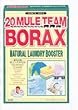
Borax is a natural mineral and can be used as a ant trap and another roach killer when mixed with sugar. IMPORTANT NOTE: keep out of the reach of kids and pets as it's toxic if swallowed. Cautions: use gloves with it, don't use on aluminum
  • disinfects
  • kills mold and bacteria
  • inhibits the growth of mold
how to:
  1. Disinfectant - mix together:
    1/2 cup borax
    1 gallon hot water (use 2 gallons water to clean the floors)
    for added touch add some drops of essential oil or steeped fresh herbs (don't forget to pull out the herbs before you use it)
    you can also add 1/4 cup castile soap for extra cleaning strength
  2. Disinfectant - this recipe from CHEC HealtheHouse, Safe Cleaning recipes. Mix and put in spray bottle:
    2 t borax
    4 T vinegar
    3-4 cups hot water
  3. Extra Strength Disinfectant - this recipe from CHEC Heal the House, Safe Cleaning recipes. Mix together:
    2 t borax
    4 T vinegar
    3-4 cups hot water
    1/4 t castile soap
  4. Remove Mildew in the bathroom by letting this sit on the site a few minutes and then scrubbing (from Pinksunrise Family Health Center, Cleaning the House Safely):
    1/2 cup vinegar
    1/2 cup Borax
    2 cups water
  5. Blood stains can be removed(this recipe from Pinksunrise Family Health Center, Cleaning the House Safely)by first rinsing in cold water, then scrubbing under warm water, then dip in a solution of:
    1 quart borax
    2 cups cold water
  6. Stains on clothes - pre-wash soak clothes in water with Borax (or Lemon Juice or Hydrogen Peroxide or Vinegar)
  7. Cleaner, general, mix (from Home Safe Home): Mix hot water, castile soap, borax.
  8. Toilet Cleaner:
    1 cup of borax
    1/4 cup distilled white vinegar or lemon juice
    and let it sit a few hours (or leave borax in overnight and then add vinegar the next day). Then scrub it with a toilet brush and flush clean.
Club Soda can help remove stains and can be combined with other products.
  • blot recent stain, pour on club soda, rub, wash as usual
  • pre-laundry to remove grease or wine stains - pour it on and scrub
  • apply to wine stain on carpet and rub it in, wait and few moments and sponge off
  • pour over fixtures to clean and shine
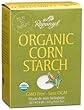
Corn Starch can be used in combination with baking soda as a deodorant under clean under arms. It has many uses, be sure to get non-GMO corn starch.
  • removes sand off the kids from the beach before they get into the car
  • removes cut hair off the kids after haircuts
  • is a safer than baby powder
  • cleans and deodorizes carpets and life's messes in carpets
  • for crisp ironing - mist on 2 T cornstarch in 1 pint water (shake before spraying) (this recipe from Pinksunrise Family Health Center, Cleaning the House Safely)
Essential Oils - like lavender, clove, tea tree oil (fungicide), grapefruit seed extract - 1teaspoon to 2 cups water or 20 drops per quart:
  • adds fragrance
  • has some cleaning and antibacterial power
  • use as an effective, safe air freshener
  • Herbs like essential oils can add fragrance. Steep them in the hot water. Bay leaves in the flour will keep the buggies away.
Flour is an all purpose effective abrasive that can clean:
  • chrome - use white flour on a dry rag
  • copper, brass, bronze and pewter - mix 1:1:1 Flour, Salt and Vinegar to form a thick paste. Rub on, let sit for an hour, rinse off and buff.
Boiling Hot Water is a powerful disinfectant and kills germs. Use it in the shower when rinsing it down. Scrub your cutting board with hot water and soap after each use.

Hydrogen Peroxide is also a great disinfectant and helps heal cuts.
  • Clean your cutting board with a spray of peroxide and then separately spray with vinegar or vice versa (don't combine them in one bottle. doing one and then the other is best.)
Lemon and Fresh Lemon Juice smells great, cuts grease, and whitens because it is acidic. Lemons come in their own scrubbing case - use the entire lemon!
  • neutralizes alkaline - dissolves gummy build up, tarnish, removes dirt from wood
  • cleans stains on porcelain and aluminum - dip cloth in lemon juice, polish, rinse with warm water
  • cleans copper, bronze and aluminum - rub with lemon slices, if necessary, sprinkle lemons with baking soda and then rub (this recipe from CHEC Heal the House, Safe Cleaning recipes)
  • mix lemon juice with baking soda and water to disinfect countertops, microwaves, bathrooms
  • apply lemon juice to a stain on cotton clothes then let the sun to naturally bleach it
Liquid Castile Soap like Dr. Bronners is an all purpose cleaner that can be used in a myriad of ways. It is a mild soap made from olive or coconut oil instead of the typical petroleum-based cleaner.
  • refill your hand foam soap dispensers with 1/3 to 1/2 castile soap and water
  • It cuts grease and can be used to clean almost anything.
Oil is great for furniture polish. You can use virtually any oil including olive, coconut or flax seed oil to make your own furniture polish:
  • mix oil:lemon juice in proportion 1:1/2
  • mix 1 T lemon juice or white vinegar with 1/2 cup oil
  • mix 1 t oil with 1/2 vinegar for dusting (this recipe from CHEC Heal the House, Safe Cleaning recipes)
Salt is a nice abrasive and can be used for gently scrubbing and cleaning. Add salt to a copper pan with a lemon and scrub to get off the tarnish. (this recipe from Pinksunrise Family Health Center, Cleaning the House Safely)

Sodium Carbonate or Washing Soda is a natural mineral related to baking soda but much stronger. It cuts grease, cleans petroleum oil, removes wax and lipstick, neutralizes odors. Cautions: use gloves with it. Don't use on fiberglass, aluminum, or on waxed floors (unless you want to remove the wax); don't use a thick paste on a painted surface or it will peel off the paint.

how to:
  1. tough jobs on glass or stone: make a paste with washing soda and water, spread it on, leave overnight but mist it some to keep it moist, rinse
  2. for a stronger laundry detergent and stain remover- add 1/2 cup washing soda to the detergent
  3. for a stubborn stains - make a paste of water and washing soda (use gloves) or use non-chlorine bleach like Oxo-Brite or another one containing Sodium Percarbonate or Sodium Perborate.
  4. General Cleaner - from Home Safe Home:
    1/2 cup washing soda
    bucket of hot water
  5. Floor Cleaner for greasy floors - mix together:
    1 cup white vinegar
    2 gallons hot water
    1/4 cup washing soda
    1 T soap
Toothpaste is a great nonabrasive cleanser (and it smells minty fresh too!)
  • use to get the white rings off wood furniture - dab it on, let it dry and gently buff off (this recipe from Pinksunrise Family Health Center, Cleaning the House Safely)
Distilled White Vinegar can clean so many surfaces from the hard to the soft, it shines metal and yes, it even does windows. It is acidic, it kills germs, it whitens, it cleans mildew, soap scum and grime from the bathtub, tile, shower curtains, it cleans copper, bronze and pewter
  • removes stains from cloth (clothes, furniture) - apply to the stain and then wash
  • use in bathroom - fixtures and floor
  • cleans rust - soak in vinegar overnight
  • pre-laundry to keep colors brighter and prevent fading
  • disinfect kitchen surfaces
  • kill bacteria, mold and virus in the bathroom
  • after applying baking soda water solution to "wash" your hair, apply a vinegar water solution to rinse it
how to:
  1. straight strength for cleaning rust and mildew and as pre-laundry
  2. as a fabric softener use 1/2 cup in the rinse cycle
  3. 1:1 Vinegar:Water in a spray bottle and wipe clean for lighter jobs
  4. Windows:
    1 quart of water and 1/4 cup of vinegar OR
    1 quart of water and 3 T of vinegarOR
    ratio of 1:1/2 water:vinegar (this recipe from CHEC Heal the House, Safe Cleaning recipes)
  5. Extra Dirty Windows: 2 cups of water and 3 T of vinegar and 1/2 t castile soap
  6. soak bright colors in vinegar for 10 minutes before washing in the laundry
  7. add it to soap to make a new super soap mixture
  8. Floor Cleaner - (this recipe from Pinksunrise Family Health Center, Cleaning the House Safely) mix together:
    1 cup white vinegar
    2 gallons hot water
  9. Toilet cleaner - leave overnight - combine 1:1:1
    baking soda
    borax
    white vinegar
  10. For cleaning up grease, cleaning expert Annie Berthold-Bond recommends a spray bottle with:
    1/2 teaspoon of washing soda,
    2 tablespoons of distilled white vinegar,
    1/4 teaspoon liquid soap, and
    2 cups of hot water
  11. Clean copper, brass, bronze and pewter - mix 1:1:1 Flour, Salt and Vinegar to form a thick paste. Rub on, let sit for an hour, rinse off and buff. Clean copper with lemon juice or hot vinegar and salt.
  12. to get out Chocolate & Coffee Stains mix: 1 teaspoon Vinegar with1 quart cold water. Sponge on and wipe clean. (this recipe from Pinksunrise Family Health Center, Cleaning the House Safely)
Other cleaning tips and tidbits for eco-friendly cleaning on a budget:
  • Use cold water instead of hot water and save 85% of the energy and $ on the washer.
  • 5-10% of the electric bills are for using the dryer so line dry. Sunshine can bleach out stains and is a natural disinfectant.
  • Wipe windows with newspaper for streak-free clean.
Links for more info:
Recommended Reading:

This is part of the Green Moms Carnival. Tiny Choices is hosting the March carnival: Green Spring Cleaning

If you’d like to participate, please send a link to your relevant blog post by March 8th to: jenn AT tinychoices DOT com. The carnival will run on March 10th.

And in related awesome news, the Green Moms Carnival recently won the “Green” category at the Shorty Awards!

New Nina Planck Book - Advanced Copy Giveaway of “Real Food for Mother and Baby”!


Kelly the Kitchen Kop has several advanced copies of Nina Planck's new book "Real Food for Mother and Baby" that she is offering as a giveaway until March 13th. Link here for details.

Tuesday, March 3, 2009

Time-Saving Kitchen & Nutrition Tips - The Healthy Pantry

When you ditch the microwave (that's another post) and stop buying most pre-packaged foods, you start to create short cuts to having real food in a hurry. Real food doesn't necessarily take more time, I can usually get dinner on the table in 30, but it does take planning and having a good filled pantry (fresh, frozen, dry) of supplies so I know I can make anything based upon the fresh veggies or meats I have on hand. I choose organic (non-gmo) for everything except meats and fish, those are grass-fed and wild respectively.

My Pantry consists of Dry - Frozen - Refrigerated/Fresh -

DRY:
  • Nutiva Organic Extra Vir...Oils: olive, coconut, palm shortening, macadamia nut oil
  • Coconut milk
  • Stock, preferably fresh made and frozen but I have some of that organic chicken stock on hand just in case, don't tell anyone
  • Basic spices - sea salt, (NOTE: this is NOT regular table salt! I only use real sea salt, grey salt, river salt, we feel a big difference in our health and if we ever eat out, we can feel the difference in the sodium.) fresh black peppercorns, cumin, cayenne or chili pepper flakes, curry and curry paste, maybe some spice blends, vanilla beans and vanilla extracts
  • Canned tomatoes whole and diced (make sure it's in a lined can so the aluminum doesn't leach from the high acidity of tomatoes and only organic tomatoes)
  • Brown Rice (there are so many kinds of rice: Red, Wild, Sweet Brown, Short & Long Grain), Brown Rice Pasta (we love Tinkyada brand), Quinoa, Millet, Wheatberries, Grits (only organic), Kamut Berries, Barley, Oats (steel cut, rolled, thick rolled, Scottish, we use them all in different ways)
  • Baking supplies - flour, (I'm using the last of the organic unbleached all purpose and whole wheat flours, moving toward Amaranth Flour, Coconut Flour, Buckwheat, Spelt, Garbanzo Flour and things like that. Also having whole wheat berries I'll be getting a Vitamix to grind my own and make my own sprouted wheat - can't wait!), chocolate chips, baking powder/baking soda, yeast, chia seeds (whole and pulverized - I add them to smoothies and baked goods to add omega 3s)
  • Honey - I like YS Organic Honey and New Zealand honeys, but there are tons of lovely organic honeys each with their own qualities. I use one from Africa on meats and in sauces, it is the only honey I know of that is from a flowering tree; the flavor depends upon the flowering blossoms and organic means the bees are roaming on pesticide-free flowersWedderspoon Raw Organic ...
  • Crackers - particularly wheat-free and crunchy ones like Mary's Gone Crackers and Foods Alive Golden Flax Crackers
  • Condiments: Soy sauce from fermented nonGMO soy beans, Fish sauce, Mustard, Vinegar, Kethcup (Organicville makes one with Agave instead of sugar)
  • Nut butters: Almond, Cashew, Macadamia Nut, others
  • Fair Trade Coffee & Tea
  • Madhava Pure Organic Raw...Sweeteners we use Sucanat, I love the flavor and color of it, or Rapadura which is a brand name of the same thing, we also use in moderation: Brown Rice Syrup, Agave, Xylitol, and Therasweet from Living Fuel and
  • Organic Maple Syrup, Maple Chunks and Maple Sugar
  • Date Sugar
  • Jam, there are organic all-fruit spreads by bionaturae that are great!
  • Canned Wild Alaskan Salmon, Sardines, and Tuna
  • Beans - canned and dried especially cannellini, garbanzo and black beans
    Snacks for kids - Fruitabu Twirls, Freeze-dried fruit like Just Tomatoes Just Organic Strawberries, things like that we have for lunchboxes and quick snacks
  • Raisins, Apricots, Cherries, and other dried fruit
  • Fair Trade Dark Chocolate and Cocoa Powder, I have some organic fair trade milk chocolate for the kids but they are beginning to like some of the dark ones now too
  • Seaweed stuff - Sushi wrappers, Dulse, Wakame
FREEZER:
  • Nuts: we have a big variety - cashews, pecans, walnuts, hemp seeds, sunflower seeds, pumpkin seeds, brazil nuts, hazelnuts, flaxseeds and flaxseedmeal (great for baked goods and smoothies), every kind, I keep them in the freezer to keep them fresh since they have a high fat content which can lead to them going rancid quickly
  • wild alaskan salmonFrozen fruit are great for smoothies. Any fresh fruit that doesn't get eaten gets frozen. Frozen fruit are also great to put in a juicer to make mock ice cream or even just to eat right out of the bag.
  • Frozen veggies are good to have on hand for frittatas, stews, etc. but I prefer fresh.
  • Grassfed Meats/Pastured Free Roaming Organic Poultry/Wild Alaskan Seafood - grassfed ground beef, lamb, turkey, grassfed bison, bacon, burgers, skirt steaks, salmon, halibut, a variety of cuts and kinds of meats and fish
  • Frozen pre-made meals that I made extra including Chicken & Beef Stock, Stews, Soups (lots of soups), breakfast muffins, desserts
  • I store Wheat Germ and Whole Wheat products in the freezer or anything I buy in bulk
REFRIGERATED:
  • Grass-fed Dairy: Heavy Cream, Milk, Butter, Kefir, Cheeses, Sour Cream, Ricotta Cheese, Yogurt (we like Seven Stars brand, I get plain and add vanilla and maple syrup) - always organic and rBGH-free and grassfed. If in Miami get Raw Milk at the Miami Coop or contact Justine with The New Hunter Gatherer or your visit the Weston Price Foundation
  • Flax oil - great to add to smoothies or salad dressings
  • Eggs - organic, preferably pastured
  • Fresh Fruits, Veggies and Herbs - LOTS of Fruits & Veggies - and a great variety!
  • Cultured Veggies, Pickles, Olives
  • Miso
  • Kombucha (have to learn how to make it myself)
  • Organic Deli Meats, but not that much since they are not usually grassfed, when I can find grassfed nitrite-free deli meats, we have our way with those
Save time shopping by going online, Amazon has lots of great groceries and organics now too, that way you can comparison shop and take your time.

When I cook an item I use a lot, I make extra and freeze it including:
  • soups - especially when veggies are plentiful (or about to go bad) like Roasted Pepper Soup, Broccoli soup, and of course Chicken and Beef Stock
  • basil spinach pesto - I freeze and then I can add that to anything from stews to pizza to frittatas or anywhere I need to add some greens and some flavor. Link here to see other GREENS tips.
  • baked goods - desserts, cakes, muffins, pancakes, waffles, all of these freeze very well and that way it's there when you need it when friends pop by
More Meal-Make-In-A-Hurry Tips -
  • make extra - use leftovers and create something new, heat them up as is for leftovers the next day, freeze them for another day
  • I'll make meatballs and freeze them uncooked to use another time: drop them into soup, braise them, cook them in the oven - ready to go and I know what went into them!
  • freeze peeled GINGER, I peel it and freeze it. It grates easily frozen, no need to thaw, and that way I always have some on had to grate into any dish with my micro-rasper.
  • freeze any fresh fruit or vegetable you don't use in time for use later
  • fresh fruits and vegetable preparation - I cut up apples and swoosh them in orange juice to keep them from browning and use as a quick snack; cut up celery and carrots and have on hand in the fridge ready to grab. The kids will grab those with nut butter as a snack. I take fresh herbs and rinse them, shake off the excess water, and wrap them in a kitchen towel and put them in a refrigerator drawer ready to use.
  • I take meat, fish, poultry out of the freezer every couple of days to plan my menu for the next several days
  • sauces make a meal, adding a sauce can change it and make it really delicious
  • extra soup can be used the next day or frozen for another day - be sure to label the frozen food with a date and what it is (maybe even the ingredients or the name of the recipe so you know what it is and what it includes in case of allergies in visitors or new allergies)
  • extra rice can be used the next day to make a chicken/beef/pork/veggie-fried rice
  • stews incorporate veggies, meats, broth, everything in one hearty bowl, I tend to make quite a bit of stews since they are fast to put together, can be crock-potted, are satisfying and nutritious.
  • breakfast for dinner - the kids love eggs, frittatas (great way to mix veggies in), pancakes, omelets, so much you can do with eggs! We tend to have a bigger lunch.
  • oh for my daughter's birthday party I made sandwiches cut up in flower and other shapes and saved all the crusts and used that to make an easy bread pudding with eggs, honey, vanilla, orange zest, milk.
  • don't toss the bones from roasted chicken, you can use that to make a rich chicken stock, add in the parsley stems that you didn't use fresh
Favorite kitchen gadgets and things I could not live without -
  • Glass Pyrex dishes. These are great for storing, come in a variety of sizes, can be used to reheat things straight from the fridge as long as you start them in a cold oven, and can even be used to store things in the freezer! There are containers, mixing bowls, all with tops and in a variety of sizes. They are glass but the tops are plastic. I just try not to overfill them so the top doesn't touch the plastic and I wait for the leftovers to cool before putting the top on the container.
  • Immersion Blender - without a doubt my number one favorite kitchen gadget is my Immersion Hand Blender. I have a Braun, 400 watts, but there are others out there. I use this for making everything including salad dressings, soups, sauces. I use it practically every day. It's easy to use, easy to clean up, and makes cooking from scratch a snap. I cannot imagine preparing food without it.
  • The Microplane Stainless Steel Micro-plane Zester I use for everything from fresh citrus zest to fresh nutmeg to frozen ginger. A must have.
  • Hand-held Grater for grating cheese into sauces, soups and sandwiches, it's easier than the big food processor
  • Cheese Slicer saves money from buying pre-sliced cheese and does a great job. Plus when you slice it yourself, it's fresher and, if you're getting cheese wrapped in plastic, the whole block has less surface area touching the plastic so less change of leaching.
  • Food Processor - it doesn't get as much work in my house but is handy to have
  • Juicer - we haven't been using it as much lately and I don't recommend it if you have a good blender like a Vitamix. The problem with my juicer is that with a family of 6, every time I juice for us it takes forever and then clean-up is not a snap, but I do believe it's important to juice veggies, especially leafy greens.
  • Blender - we use our blender practically every day to make morning smoothies for the kids. I add frozen fruit, milk, honey, sometimes a couple green leaves, chia seeds (for omega 3s), vanilla and blend BUT my goal this year is to get a Vitamix as they are super powerful for smoothies and juicing greens and for my new step into good food: grinding fresh grains
  • Cast Iron Pots and Enameled Cast Iron - of every shape and size to do the job right. if you have any nonstick or silverstone pots and pans, get rid of them and don't buy any more, they are harmful to our bodies and the planet, I'll write a post on that another time.
  • Dehydrator - this is good for everything from keeping home-made yogurt at the right temp to making your own fruit leathers
  • Silicone Spatula, Tongs, Poultry Shears, thin but wide stainless Spatula, Slotted Stainless Spoon, utensils important for the job. If you find this post or my blog helpful, I'd appreciate you linking on the affiliates the next time you want to buy something to help support my writing habit - Thank You!


For Packing Lunches:

This year my kids are back in school. We found this wonderful Montessori school and they are loving it and I do too. I do miss our family big lunches each day and the time together, but they get home so excited with much to tell me. I make the kids lunch each day and usually add a note. Planning and the proper containers make this easier.

I warm up and add leftovers to a stainless steel thermos after filling it with hot water so it stays warm. I make sandwiches on sprouted wheat bread with no nitrate deli meats or cheeses. They love yogurt and I usually add no sugar cookies or pretzels for dipping.

I make raw meatballs "batter" (meat, Parmesan cheese, oats, milk, tomato sauce, seasoning, maybe some basil pesto) and keep it in the fridge to make meatballs and rice for their lunch fresh in the morning; they love those meatballs.

I make panini sandwiches and wrap them in recycled aluminum foil. If using aluminum be sure not to use it on anything acid next to it, to buy recycled foil and to, in turn, recycle it. Aluminum is a killer on the planet to source but can be recycled indefinitely!

Some nifty things for making lunches eco-friendly and healthful include:

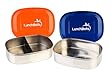
LunchBots Uno + Duo Set - cute new container in stainless perfect for sandwiches and snacks


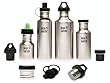
Klean Kanteen Stainless Steel Water Container - these are stainless steel bottles and come in a variety of sizes and COLORS perfect for any age and personality

You'll notice what I do NOT have because the ingredients on the manufactured ones are poor:

  • Granola, Granola Bars - store ones contain soy oil, canola oil, bad fats, sugar, all to avoid and it's actually pretty easy and MUCH more delicious to make yourself, I'll post our recipe fave with pictures soon as I'm due to make more
  • Cold Cereal - they normally contain sugar, corn, preservatives, even the organic varieties have things I don't like and I just don't believe cereal is good for us, it starts our day on carbs and the grain is not natural (it's puffed or extruded)
  • Salad Dressing - so easy to make your own, so much more delicious, ones on the market are gmo, soy oil, corn oil, cottonseed oil, even organic ones don't taste good and use bad oils, sugars
  • Mayo - though Wilderness Family Naturals makes a wholesome mayo
  • Frozen Meals and Pre-packaged foods - we make our own "pancake mix" and things like that, it's really easy and doesn't take so much time, there is just a learning curve, as with anything worthwhile in life
  • "White" stuff - plain old white sugar, white flour, white iodized salt, white rice
  • Artificial Sweeteners like Splenda, Asparatame, Saccharine - we use dates, safer sweeteners like xylitol, honey, maple syrup (lots of maple syrup!), date sugar, there are other sweet options
  • "Health" Foods and gimmicky stuff like Acai, unfermented soy stuff, power bars (except we do like Larabars, but they aren't organic so we don't induge that often)
  • Traditional Deli Meats - they contain nitrates which convert to nitrosamines that are carcinogenic
  • "Vegetable" oil like corn, soy, canola, peanut - these are all bad oils, some are even touted as "health" food but the research shows otherwise, more on that later
  • most prepackaged foods. Typical shelf stable non-organic foods contain HFCS, MSG, hydrogenated oils, and artificial colors. Organic foods don't, so it's easy for us to avoid those things but sometimes artificial flavors, MSG, non-GMO soy and corn do lurk in even organic pre-packaged foods so it's important to read labels and KNOW what you're reading.
  • Soda, even organic, it's just liquid candy so we don't buy it
  • Juices - the whole fruit and vegetable is much better than a pasteurized juice which is just full of sugar. We don't drink much juice, we have some on hand but it's not a staple that I must have nor do we drink a lot of it, not really health food
  • Potato Chips, even organic ones, the oil isn't good since they use cheap stuff for their own bottom line and the process of frying them creates acrylamides which are carcinogenic
  • any grain-fed meats or regular conventional rBGH agri-biz dairy
  • most name brands, there are some organic brands we now get but we tend to shy from big name brands just because the product quality ingredients deteriorate to make way for higher profit margins

Eating and preparing real food to me means being frugal with each item and really using everything you can, but it's not always easy. I believe in taking time in preparing and cooking food when possible. Making a meal with love adds flavor, nutrition, and to the pleasurable experience for the one making the food and those enjoying it. We all have our hurried moments, and for those days, which can be many in today's busy world, time-saving tips and being prepared with a good pantry and the right kitchen tools can help us eat healthy in a hurry.


I am really looking forward to reading all the posts for the real food Wednesdays carnival this week and incorporating more ways to save time in the kitchen from these hip, smart, eco-mamas writing these blogs.

This post is part of two Carnivals today:
and

Join Works For Me Wednesday at We Are That Family; Join the Real Food Wednesday Carnival by heading over to Kelly the Kitchen Kop

What’s Real Food?

Real food is whole, natural, and nutrient-dense.

* Organic
* Humanely raised (animals on pasture, not in factories)
* Grown locally when possible
* Whole and unrefined (real maple syrup instead of high-fructose corn syrup)
* Processed as little as possible (raw milk instead of pasteurized and homogenized)
* Nutrient-dense (enzymes, vitamins, minerals, and probiotics)
* Free of additives and preservatives
* Free of synthetic and chemical ingredients
* Not genetically modified
* Traditionally produced and prepared

In other words, butter or lard instead of shortening or vegetable oil. Real milk from a cow instead of soy milk. Real sprouted flour (ground fresh or purchased) instead of refined white flour. Real, natural sweeteners like honey or unrefined cane sugar (rapadura or sucanat) instead of white sugar.

If it’s highly processed and/or doesn’t come from nature, it’s not real food!

We’re not saying you have to be perfect (nobody is) but try to feature real foods in your recipes and minimize the junk like vegetable oil and refined sugar and additives.

Sunday, March 1, 2009

Life Lessons from a 3 year old

I learn so much about what is truly important in life just by watching my 3 year old. My youngest was peacefully born at home into the arms of his father and I have appreciated life ever so much more since that amazing experience. He has taught me to:
  1. Listen to your body.
    • Eat when you're hungry, not starving.
    • Choose from a variety of colorful foods.
    • Stop eating when you don't feel hungry anymore, even if there is just a bite or two left, and even if it's dessert or something you love that is super delicious.
    • Drink water. With meals and throughout the day.
    • Go to bed or take a nap when you're tired.
  2. Love unconditionally and make it known.
    • Cuddle with someone in your warm cozy bed before starting your day. Take the time to greet the world slowly and with love.
    • Say "I Love You" several times a day, even if you have to scream it to the person in another room when you cannot pull yourself away from what you are doing.
    • Give hugs to everyone you love every day and for no apparent reason.
    • Climb into someone's lap and ask them to nice or scratch your back. Relax and fully enjoy the pleasurable experience without any guilt.
  3. Trust yourself.
    • You make good decisions for yourself.
    • Trust those who love you. They'll make good decisions to help you.
    • Demand what you need and don't give up.
    • Be willing to compromise with things you merely want, but push hard for it at first, just in case you can get it.
    • The world and each person you meet is here for you and you alone.
    • You are here for the world and each person with whom you interact.
    • It's okay to wear your cozy PJs all day sometimes.
    • It's okay to be nekkid in your own home.
  4. Use your body.
    • Run around.
    • Use more muscles by putting up your arms to fly.
    • Smile while you run.
    • Get others to run with you, it's more fun with friends.
    • Balance and bend (with feet flat on the floor and knees bent all the way until it looks like you are sitting on your tush but you're not) several times a day to play on the ground or as the perfect vantage point to follow ants patiently.
    • Walk on your tippy toes every so often. Just because. Jump up and down.
  5. Play every day.
    • Play by yourself. Enjoy your own company and imagination.
    • It's great fun when you get to set your own rules to the games.
    • Play with others. Work out disagreements or walk away, sometimes in a huff when you cannot work it out, then remember to do #7.
    • Play outside every day. Get some sunshine on your skin, it feels good.
    • Believe you can do whatever you imagine, even if you cannot yet really do it; when you imagine you are doing it, it can be just as fun and real as actually doing it. Tell others of your "experience" with great excitement.
    • Scream in glee ("woohoo!" or "yeah, baby!") when you win. Congratulate others when they win.
    • Play with the unexpected and in more creative ways than anyone can imagine. The box it comes in can be more fun than the thing itself: it's a rocket, a house, an airplane, a car, an office, a farm, a great place to hide. Appreciate things in new ways. This could also be my lesson to Reduce. Reuse. Recycle.
    • Draw, color, create. Show it to others and explain what you have made.
  6. When something bothers you or you get hurt, it's okay to cry. Then let it go and move on. Know that there is something else for you to do.
  7. Ask for help when you need it. Get louder if no one hears you. That also teaches to never give up.
  8. When you make a mistake, come to the person, apologize, tell them what you did, apologize again, and ask them to help you fix it.
  9. Smile, a lot. Be happy and grateful just to be here.
  10. Speak and Listen. Share and Learn. Enjoy.
Watching him engage the world is fascinating to me. He doesn't need much, but what he does need, he is sure he gets. He wakes up, and after his cuddle in bed, greets the world with pure joy, wonder and excitement. Life is good and all is well.