Showing posts with label grocery shopping tips. Show all posts

Wednesday, January 27, 2010

Squeaky Clean Burgers


The food industry has many dirty little secrets. Things they don't share with us consumers and things some of the us simply don't want to know because to know means we must make a conscious decision and well, who has time for that?

Food Inc has brought a lot of facts about our "food" to the public. Beef is a prime example.


The NY Times recent article, Safety of Beef Processing Is Questioned, about the very beef fed to our children in schools and fast food chains exposed a dirty little secret and has awakened some consumers. Yes, they inject beef we eat with floor cleaner.

But let's not get our panties in a bunch, you know, it's all for our welfare, to kill ecoli and other harmful critters, hey, it's FDA and USDA approved, it's all good, they know best, we're just, well, people and they are corporate America here to guide us in what is truly safe. Thank goodness!

That doesn't even get into the horror of the much touted "corn-fed" beef.


The impact of more corn being fed into our beef is even more GMOs into our diet! (not to mention very unhappy uncomfortable unhealthy cattle.)

That got me thinking, why is it that the ground beef we get at the grocery store is red on the outside but when we get home we see it's brown inside that layer? According to kosherorganics.com:

It is a common industry practice to infuse ground beef with carbon monoxide gas, which keeps beef red for weeks after it actually spoils, tricking consumers into buying bad meat.

So how much poison is ok with you in your daily food intake? It's time we make a choice, not based upon alleged "convenience" in our busy lives, but based upon over very lives.

For more info check out:

Thursday, September 10, 2009

Bite on This - more Grocery Store Secrets

We all know chlorine is a poison, it's toxic and has been linked to infertility and disease. Sadly it's everywhere, in our drinking water, bleaching our paper towels and toilet paper, in pools, in PVC plastics, in pesticides, so we do our best to avoid it by getting unbleached products and filtering our water (even the showers!) and just when we thought we were safe, we find out that chlorine is routinely used to keep our healthy produce "fresh" by, and I quote the MMS Newsletter:
"In the grocery store, glistening carrots, lettuce, tomatoes, bell peppers, etc. all glisten and look fresh primarily because five days ago they were picked, washed, then passed under a cloud of ClO2 gas that destroyed bacteria and disease-germs that ordinarily cause food to quickly spoil.

Some transportation trucks carrying produce (sometimes on two-day trips) can blow some ClO2 into the enclosed truck before closing the rear doors. The spoiling of food begins from invisible surface contaminants. ClO2 eradicates such bacteria."
And I learned this first hand before searching for it on the web to confirm. A truck driver was explaining how when transporting strawberries, chlorine vapor kept his strawberries from molding and therefore looking pretty and lasting longer.

Of course we already knew conventional strawberries have some of the worst pesticides and poisons sprayed on them to keep the pests away (makes sense, they are sweet and delicious, what little critter wouldn't want to take a bite of that?!) and not only are those chemicals driven into the plant itself, but since they are hard to wash, they cannot be removed from the outside either. And now we learn about this little trick of chlorine gas to keep them looking freshly picked. Ahh, things are not always as they appear.

While searching for this I also learned that all those convenient freshly cut fruits and vegetables we see in the produce counter are most probably dipped in a chlorine solution before cutting and again after cutting before being packaged and placed on the store shelf for our purchase so that they stay fresher longer.

Double-dipped chlorine strawberries gassed with chlorine in transit and a side of extra harmful pesticides from the farm, anyone? Yup, sounds fresh to me! Yet another reason to go organic.

Wednesday, June 17, 2009

Food, Inc. - the truth about what we eat and where it comes from


Read it. See it. Change your life and the lives of your loved ones. Make a difference in your health and the health of the planet. And our future. We CAN do it and most certainly we must make informed choices.

Grocery stores are such an illusion. The waste in packaging, transporting products, the ingredients (and the real ingredient behind what is mysteriously listed on the label), shelf space and electricity, dated items going to the garbage (that's mostly produce since the other stuff has a life span to practically last into our child's adulthood), how the animals we consume are treated (you are what you eat!), hormones shot into our animals and getting into our dairy and meats, genetic modifications to the dna of the foods, the colors and additives and smells added that now seem normal to us, it's all a strange place with food-like substances. Choose FOOD. Learn how to prepare and enjoy it. We can make a difference in what's offered to nourish us.

Highly recommend:

Check out the books below too - really good ones - we are each making a decision, we are casting a vote for our lives and our food every time we put something in our mouth, every time we buy something. If you choose to skip this movie and books, you are still voting for status quo - learn what that is and how THEY are playing you. Make the decision. Make it consciously.

This is part of Real Food Wednesdays:

Wednesday, May 13, 2009

Mama was Right! (weight loss, processed health foods, real foods)

Like many of us, my weight has fluctuated a bit during my adult life. I was both thinnest and biggest all during my twenties. I feel healthiest now.

My husband and I started rethinking our eating when we were pregnant 12 years ago with our first. The changes came slowly with lots of research. Then I got mad that I could not find the foods I wanted locally so we started an organic grocery delivery business. I had a mission to have a real food store, a real "whole foods." but I acquiesced under customer requests and started to offer more packaged things and the latest and greatest super foods.

Sometimes things didn't sell in time at the store. Sometimes we received short-dated product but didn't catch it in time. Whenever something was short-dated, it found it's way to the local food banks (we donated twice a week imperfect produce and products) and of course some made it into our home since I had lots of guilt from buying it but it not selling in time. It was organic, and I had taken it a step further and researched the products and ingredients, so it was the best packaged stuff we could get; I figured it was ok once in a while. But once in a while became pretty regularly without me even noticing. I continued to prepare most meals from scratch.

Then we lost it all. Our business collapsed. No more access to foods. We lost our house, our savings built up over our entire working careers, we lost everything. The most depressing part for me was opening my empty refrigerator wondering how I would feed my children. Literally, I'd cry. I was beside myself. I figured I could never afford organic foods again and was almost resigned to buying the cheap packaged stuff. I had even pictured in my mind my children's quizzical reactions at their first cheap non-food meal that I'd prepare with love. While I was losing some weight from the stress of it all, I wasn't feeling well.

Then one day I really watched my youngest play and realized all he really needed in life was me. We had lost our money, our home, and our business, the economy was bleak and jobs were tight, but, we had one another. And we still had our health. I have always been so thankful that I was able to have children in the first place when so many of my friends had trouble. To top that off, I have such wonderful and healthy children; we had a lot! None of us are on any medications, no aches and pains, no problems pooping and all those other things we see commercials for on television. No over the counter meds or prescriptions. We were healthy because overall, we had been eating well and nourishing our bodies.

I realized we needed fresh organic fruits and vegetables!

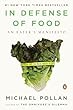
Around this time we were reading In Defense of Food: An Eater's Manifesto, Confessions of an Eco-Sinner: Tracking Down the Sources of My Stuff, and Real Food: What to Eat and Why. We were convinced to eat it real. And so we have.

Since our store closed we have all lost weight and feel healthier. The kids have not been able to open a box when I was too busy to get up to make them something. Now when I don't have something ready to eat, they open the refrigerator and grab a fruit or piece of cheese. We have no packaged processed "health" foods in the house. We eat lots of fresh fruits and vegetables, beans, grass-fed meats, grass-fed butter and whole milk, wild fish, cheese, organic eggs from free-range hens.

We eat a lot of eggs; they are an inexpensive source of protein and very versatile. Pastured eggs (eggs from hens allowed to pasture naturally) are best. I remember when we were first getting into organics I looked at the price of organic versus conventional eggs and told Jack "we eat so many eggs, look at the price difference, we can't afford to eat organic eggs." And he said a very wise thing that I will never forget, "since we eat so many eggs, we cannot afford to get conventional ones."

Our egg consumption has gone up considerably since that time, up to a dozen a day (and no, we do not have high blood pressure, high cholesterol, we are quite healthy) to feed our family of four kids and two adults. I know the difference (conventional hen houses are disgusting to say the least) and my body does too.

There is also new research to indicate that organic foods and foods with less pesticides and chemicals allow our body to more easily maintain a healthful weight and actually help our body lose weight. It has to do with our liver having time to use the excess fat instead of working overtime cleansing our body of the unnatural additives we ingest.

Sure it can take more time and requires some planning, but to me, that is what life is all about. Planning a meal, preparing the food with care, nourishing your loved ones with delicious healthful real foods that they enjoy, and sneaking vegetables into every dish as well as offering plenty on the side for color, flavor and variety. Being a healthy weight, avoiding the doctor, saving money, enjoying one of life's pure pleasures: food - to me that is all part of a real life and thankfully, a big part of ours.

This is part of two carnivals
and the carnival on Weight Loss/Gain, Share strategies for losing weight (naturally, of course) or gaining weight, if that is what your goal is sponsored by:


and Works for Me Wednesdays

Wednesday, May 6, 2009

Carrots, Chlorine, & Kids, Oh My!

The internet is great for sharing information. Unfortunately, it's equally great at sharing misinformation. And as we all know, a little information can be a dangerous thing.

Once again, the email about baby carrots is circulating. This says that it's from a farmer and gives some fancy labels explaining that baby carrots are "dipped in a solution of water and chlorine to preserve them (this is the same chlorine used in pools)." Some of the emails claim the carrots are not real and call them "practically plastic" and others say they are deformed carrot mutations and that is why they are cut up into baby carrots. Even better it goes on to say "You will notice that once you keep the carrots in your refrigerator for a few days, a white covering will form on the carrots. This is the chlorine which resurfaces. At what cost do we put our health at risk to have esthetically pleasing vegetables?" After reading that, how can we feed this to our precious kids?

I checked on snopes and there are some valid points and some clear non-truths. That is in addition to the spelling error for aesthetically. I also took this a step further contacted Bunny-Luv the maker of the organic baby carrots directly and learned:
  1. The white residue is evidence of dehydration not chlorine.

  2. Chlorine is not a preservative and cannot be used as a preservative, it has not preservative qualities.

  3. Grimmway/Bunny-Luv uses the same amount of chlorine found in your regular drinking/tap water NOT the levels from a pool. So if you wash your food under your tap water, you are doing the same thing.

  4. Baby carrots are NOT plastic or practically plastic or deformed carrots, they are big carrots cut to size.

  5. Baby Carrots are not cut from mutant carrots, they are just created from regular larger carrots or the tops after processing carrots for other things like frozen or shredded carrots.

This was the response from Grimmway/Bunny-Luv:

"We do use chlorinated water in the processing of our carrots; HOWEVER, the amount of chlorine used is only 4ppm (parts per million) which is the same standard for household tap water. If you wash your vegetable under running water from your faucet, you are getting the same amount of chlorine we use.

Chlorine is not a preservative as it has no preservative qualities. It is used to kill any bacteria that may be present on the surface of the carrot. The dry white that can appear on carrots is not chlorine residue; it is simply evidence of dehydration. Cut and peel any carrot and allow it to sit for awhile and it will turn white. I hope this answers your question."

So baby carrots, at least organic ones, are safe to eat and are a good food to feed our children.

HOWEVER, it is true that Chlorine is a carcinogen. Chlorine is probably the most widely used toxic chemical. It is used in clothing, paper products, laundry bleach, cleaners and scouring pads. We use it to clean, we add it to our pools, we add it to our laundry to get our whitest whites.

Chlorine is readily absorbed through the skin and is toxic when inhaled. Chlorine Bleach, Phosphoric Acid, Sodium Hypochlorite, and Sodium Hydroxide can irritate lungs, burn eyes, skin and internal organs (if swallowed). Chlorine can react with other chemicals, like ammonia, to damage lungs. In fact, it was used full strength as a weapon to destroy the lungs of soldiers in WWI.

Once Chlorine gets into our environment, it forms cancer-causing compounds. It is a "hazardous pollutant" according to the Clean Air Act and is on EPA's Right To Know List. It is the chemical most involved (tops the list for children) in poisonings, injuries and even death. Studies show a link between dioxins and cancer as well as reproductive problems, endocrine disruption, and a weakened immune system.

We should make the effort to eliminate it from our laundry, cleaning, and washing. We should also take steps to eliminate it from our showers (which are a toxic mix of chlorine heated next to vinyl shower curtains – a horrible combination - that's another post!)

We buy baby carrots because they are convenient. We can add them to soups and stews. They are an easy kid-friendly snack. They are great for dips and the crudites platter. They save us time from peeling and washing and therefore allow us to add a vegetable to our day easily, even on the go.

Baby carrots are a REAL FOOD made more convenient and much better than opening a bag of chips or pretzels. Please don't stop eating carrots. But do take steps to take chlorine out of your life where possible.

This is part of

Sunday, May 3, 2009

Swine Flu & Produce from Mexico

We have been enjoying so many wonderful fruits and vegetables in our shares from the buying club over the last several weeks. When I shop for our buying club purchases, we do first go for local fruits and vegetables, so we get many Florida grown produce items including Florida tomatoes, zucchini, oranges, cucumbers, eggplant, cantaloupe, jalapenos, cubanelle peppers, strawberries, cabbage, kale, collards, corn, and more. But personally, I don't want to live on those things alone.

There are many other fruits and vegetables that don't grow here in Florida and we want to enjoy those too like apples, pears, pineapple (yeah, we can grow 'em here but ain't nothin' like a Costa Rican golden pineapple, c'mon now!), ataulfo mangos, potatoes, garlic, herbs, broccoli, cauliflower, yams, well you get the idea. For a more diverse menu we turn to Georgia, the Carolinas, California, New Zealand, and yes, even Mexico. Mexico together with New Mexico, Arizona and California are the best North American regions for growing consistently good quality fruits and vegetables and therefore the majority of farming is found there, both conventional and organic farms.

Recently in our buying club a few members had concerns about using produce from Mexico due to the swine flu. I want to assure you that there is absolutely no need for concern. There is no way we can get the swine flu from eating produce from Mexico. The fact is that the flu simply cannot be carried or transmitted by consuming produce grown in Mexico.

It's important to remember that most of those Mexican organic farms are American owned. The Mexican farms must meet the same NOP guidenlines as the farms here in the United States. Over the years, I have heard from people hesitant to purchase any food from Mexico based upon rumors they had heard about how things are grown. But we only choose farms that are certified organic. The organic certification in Mexico, like in the U.S. and elsewhere, is important. In addition, we choose Mexican farms with the additional third party PRIMUS certification which means that those farms must adhere to regulations that are far stricter than those of farmers here in the USA. We feel confident personally using and promoting Mexican organic produce and organic third party certified farms outside the U.S.; indeed we think it is essential to support organic farms period.

Of course, supporting a small local farmer is truly important and we do buy locally first. But when we cannot find local produce, we do choose organic over local conventional produce. With every purchase we support the organic industry. This includes smaller farmers and cooperatives outside the U.S., big farms in the U.S., and local farms making a difference by working in ecological harmony with our planet. Organic farming is one family, no matter that some are outside the United States, it's vitally important to support the organic mission. It's better for our future, the future of our planet, our health, our children, and our environment. As a friend of mine said recently "organic farms should not have borders."

When we choose to avoid Mexican organics, we are hurting a small community. When we choose to avoid Fair Trade products, we are hurting a family. These countries rely upon our purchases to support better schools, a stronger community, and even the simple things in life we take for granted like running water, schools for learning, and a clean, safe place to live. The result if we choose to avoid organics from Mexico is clear. If we do not support organic Mexican farms, they will close down. Yes this will have a direct impact on the people living in those communities working those farms, but let us not forget that this will impact us too. Fewer organic farms will exist to meet demand which will in turn cause prices to increase for us.

It's important to make conscious decisions for our planet and informed decisions for our life. Every single purchase we make impacts our life and the lives of loved ones with us, as well as the lives of others we don't see, and our planet. We choose organic for people, planet, and purpose.

Top picture courtesy cbcnews.ca

Wednesday, March 18, 2009

Let's Clear the Air

I love to travel and explore with my family. At the same time I dread it - being out of my comfort zone, being away from my kitchen where I prepare meals that nourish our bodies with good food and our souls with tradition, and stepping into the unknown of chemicals and cleaners used at the place where we will rest our heads.

Since we've stopped using chemicals and have been eating real food, we notice it, even the kids do. Walking into a shoe or toy store makes our eyes water with all the off-gassing. It's amazing what we can subject our bodies to, lack of nutrition, bombarding it with chemicals and disease, and our lovely bodies continue to function. Our family, thankfully, is more in tune so we can make better decisions knowing what's good and not.

We realize this and are more accepting of the outside world when we travel but there is one thing we cannot tolerate. And you shouldn't either. When you think about it, it's an amazing invention that never existed and now has become a necessary element in making a house a home.

Sprays, plug-ins, plug-ins that self-spray, odor neutralizers, air sanitizers, and aromatherapy candles in just the right scent are all there, something for everyone. Air fresheners seem to work to help erase the smells in the room and clean the air, but actually they work on us. The chemicals coat our nasal passages with a film that deadens the nerve endings. They mask the problem and fool us into thinking the room is fresh, the smell we have learned to mean clean.

The ingredients are toxic and may include things like formaldehyde, fragrance, benzyl alcohol, camphor, ethanol, and naphthalene, among others. Aside from causing asthma and allergies, many of these chemicals are known carcinogens that lead to cancer and birth defects. Many attack the central nervous system which can lead to Alzheimer's, Parkinson's, Multiple Sclerosis, or SIDs in infants. Children are particularly susceptible to poor air quality which can lead to a host of diseases and premature death. Sound clean to you?

Air fresheners and room deodorizers actually create air pollution. When used in a confined area, like our homes, places of work, or cars, they create an intense amount of toxins in a small area. The EPA ranks poor indoor air quality among the top five environmental health risks to the public. Pollution indoors is oftentimes worse (sometimes up to 500 times worse!) than the pollution outdoors! Sure, tobacco smoke indoors is a horrible contributor to that, but aside from that, indoor pollution is primarily the cause of all the things we use to clean our homes and make our homes smell good. In aerosol form the dangers are multiplied because of the micro-particles that are created of the chemicals that can then enter our bloodstream.

Many natural and health food stores sell aromatherapy candles. Traditional candles are made of paraffin wax, a by-product of the gasoline industry, a petrochemical. The fragrance is either artificial, once again a petro-chemical and many not suited for combustion, or a pure essential oil which, when burned, no longer offers the therapeutic effect and actually converts into unhealthy byproducts. Scented paraffin candles usually contain metal or lead core wicks creating unsafe lead concentrations when burned. 100% of the lead that is inhaled when the candle is burned ends up in the bloodstream which can be particularly damaging to, you guessed it, growing children. What is not inhaled immediately attaches to furniture and walls to be inhaled or ingested later. The black soot created from burning traditional, and especially scented, candles is toxic. According to the American Lung Association - "scented, paraffin candles cause lead poisoning and using slow burning paraffin candles cause poor indoor air quality, and a serious health concern." Once again, instead of freshening the air, they work to mask the odor while adding poisons to the air we breathe in the comfort of our own homes.

Unplug them, stop buying them, save your money and instead, really freshen your air:
  • clean instead of masking the odor, use nontoxic cleaners
  • open the windows for real fresh air (if you're not in a high rise with smokers on the patio above or below you, or up against a busy street, of course)
  • empty the garbage frequently and get rid of rotting meats and vegetables
  • burn 100% pure UNSCENTED beeswax candles with 100% cotton wicks - not only is it the best alternative to traditional paraffin candles, but pure beeswax candles actually do purify and clean the air and add a warm golden glow
  • use the box of open baking soda trick from your fridge in closets and bathrooms or put a half a cup of vinegar in the smelly room to absorb the odor
  • use a drop or two of pure essential oils in a mister filled with distilled water and spritz
  • simmer spices like cinnamon and cloves in a little water on the stovetop
  • simmer 3 - 5 organic lemons cut in fourths in clean water for 30 minutes to an hour
  • simmer crushed or cut fresh ginger in some water
  • simmer herbs like rosemary or basil
  • boil some water and then add a drop or two of your favorite pure essential oil(s)
  • dab pure organic cotton balls with orange, vanilla, lavender, or lemon extracts or essential oils and place them around the house
  • use organic herbal sachets and potpourris or run your fingers against pots of fresh herbs that you keep in the house to release their scent
  • add potted plants to your room to clear carbon dioxide and other toxins naturally
  • use volcanic rocks to absorb the odors
  • get freshly cut fragrant organic flowers
  • cook or bake, toast up dried spices in a pan, put something in the oven - create a delicious meal and you'll make the house smell good and fill happy tummies with something delicious -it's amazing how aromas of food can fill the air and create memories for our children.
This is part of Natural Body Care Products for Real Foodies for

Join at Kelly the Kitchen Kop

Tuesday, March 3, 2009

Time-Saving Kitchen & Nutrition Tips - The Healthy Pantry

When you ditch the microwave (that's another post) and stop buying most pre-packaged foods, you start to create short cuts to having real food in a hurry. Real food doesn't necessarily take more time, I can usually get dinner on the table in 30, but it does take planning and having a good filled pantry (fresh, frozen, dry) of supplies so I know I can make anything based upon the fresh veggies or meats I have on hand. I choose organic (non-gmo) for everything except meats and fish, those are grass-fed and wild respectively.

My Pantry consists of Dry - Frozen - Refrigerated/Fresh -

DRY:
  • Nutiva Organic Extra Vir...Oils: olive, coconut, palm shortening, macadamia nut oil
  • Coconut milk
  • Stock, preferably fresh made and frozen but I have some of that organic chicken stock on hand just in case, don't tell anyone
  • Basic spices - sea salt, (NOTE: this is NOT regular table salt! I only use real sea salt, grey salt, river salt, we feel a big difference in our health and if we ever eat out, we can feel the difference in the sodium.) fresh black peppercorns, cumin, cayenne or chili pepper flakes, curry and curry paste, maybe some spice blends, vanilla beans and vanilla extracts
  • Canned tomatoes whole and diced (make sure it's in a lined can so the aluminum doesn't leach from the high acidity of tomatoes and only organic tomatoes)
  • Brown Rice (there are so many kinds of rice: Red, Wild, Sweet Brown, Short & Long Grain), Brown Rice Pasta (we love Tinkyada brand), Quinoa, Millet, Wheatberries, Grits (only organic), Kamut Berries, Barley, Oats (steel cut, rolled, thick rolled, Scottish, we use them all in different ways)
  • Baking supplies - flour, (I'm using the last of the organic unbleached all purpose and whole wheat flours, moving toward Amaranth Flour, Coconut Flour, Buckwheat, Spelt, Garbanzo Flour and things like that. Also having whole wheat berries I'll be getting a Vitamix to grind my own and make my own sprouted wheat - can't wait!), chocolate chips, baking powder/baking soda, yeast, chia seeds (whole and pulverized - I add them to smoothies and baked goods to add omega 3s)
  • Honey - I like YS Organic Honey and New Zealand honeys, but there are tons of lovely organic honeys each with their own qualities. I use one from Africa on meats and in sauces, it is the only honey I know of that is from a flowering tree; the flavor depends upon the flowering blossoms and organic means the bees are roaming on pesticide-free flowersWedderspoon Raw Organic ...
  • Crackers - particularly wheat-free and crunchy ones like Mary's Gone Crackers and Foods Alive Golden Flax Crackers
  • Condiments: Soy sauce from fermented nonGMO soy beans, Fish sauce, Mustard, Vinegar, Kethcup (Organicville makes one with Agave instead of sugar)
  • Nut butters: Almond, Cashew, Macadamia Nut, others
  • Fair Trade Coffee & Tea
  • Madhava Pure Organic Raw...Sweeteners we use Sucanat, I love the flavor and color of it, or Rapadura which is a brand name of the same thing, we also use in moderation: Brown Rice Syrup, Agave, Xylitol, and Therasweet from Living Fuel and
  • Organic Maple Syrup, Maple Chunks and Maple Sugar
  • Date Sugar
  • Jam, there are organic all-fruit spreads by bionaturae that are great!
  • Canned Wild Alaskan Salmon, Sardines, and Tuna
  • Beans - canned and dried especially cannellini, garbanzo and black beans
    Snacks for kids - Fruitabu Twirls, Freeze-dried fruit like Just Tomatoes Just Organic Strawberries, things like that we have for lunchboxes and quick snacks
  • Raisins, Apricots, Cherries, and other dried fruit
  • Fair Trade Dark Chocolate and Cocoa Powder, I have some organic fair trade milk chocolate for the kids but they are beginning to like some of the dark ones now too
  • Seaweed stuff - Sushi wrappers, Dulse, Wakame
FREEZER:
  • Nuts: we have a big variety - cashews, pecans, walnuts, hemp seeds, sunflower seeds, pumpkin seeds, brazil nuts, hazelnuts, flaxseeds and flaxseedmeal (great for baked goods and smoothies), every kind, I keep them in the freezer to keep them fresh since they have a high fat content which can lead to them going rancid quickly
  • wild alaskan salmonFrozen fruit are great for smoothies. Any fresh fruit that doesn't get eaten gets frozen. Frozen fruit are also great to put in a juicer to make mock ice cream or even just to eat right out of the bag.
  • Frozen veggies are good to have on hand for frittatas, stews, etc. but I prefer fresh.
  • Grassfed Meats/Pastured Free Roaming Organic Poultry/Wild Alaskan Seafood - grassfed ground beef, lamb, turkey, grassfed bison, bacon, burgers, skirt steaks, salmon, halibut, a variety of cuts and kinds of meats and fish
  • Frozen pre-made meals that I made extra including Chicken & Beef Stock, Stews, Soups (lots of soups), breakfast muffins, desserts
  • I store Wheat Germ and Whole Wheat products in the freezer or anything I buy in bulk
REFRIGERATED:
  • Grass-fed Dairy: Heavy Cream, Milk, Butter, Kefir, Cheeses, Sour Cream, Ricotta Cheese, Yogurt (we like Seven Stars brand, I get plain and add vanilla and maple syrup) - always organic and rBGH-free and grassfed. If in Miami get Raw Milk at the Miami Coop or contact Justine with The New Hunter Gatherer or your visit the Weston Price Foundation
  • Flax oil - great to add to smoothies or salad dressings
  • Eggs - organic, preferably pastured
  • Fresh Fruits, Veggies and Herbs - LOTS of Fruits & Veggies - and a great variety!
  • Cultured Veggies, Pickles, Olives
  • Miso
  • Kombucha (have to learn how to make it myself)
  • Organic Deli Meats, but not that much since they are not usually grassfed, when I can find grassfed nitrite-free deli meats, we have our way with those
Save time shopping by going online, Amazon has lots of great groceries and organics now too, that way you can comparison shop and take your time.

When I cook an item I use a lot, I make extra and freeze it including:
  • soups - especially when veggies are plentiful (or about to go bad) like Roasted Pepper Soup, Broccoli soup, and of course Chicken and Beef Stock
  • basil spinach pesto - I freeze and then I can add that to anything from stews to pizza to frittatas or anywhere I need to add some greens and some flavor. Link here to see other GREENS tips.
  • baked goods - desserts, cakes, muffins, pancakes, waffles, all of these freeze very well and that way it's there when you need it when friends pop by
More Meal-Make-In-A-Hurry Tips -
  • make extra - use leftovers and create something new, heat them up as is for leftovers the next day, freeze them for another day
  • I'll make meatballs and freeze them uncooked to use another time: drop them into soup, braise them, cook them in the oven - ready to go and I know what went into them!
  • freeze peeled GINGER, I peel it and freeze it. It grates easily frozen, no need to thaw, and that way I always have some on had to grate into any dish with my micro-rasper.
  • freeze any fresh fruit or vegetable you don't use in time for use later
  • fresh fruits and vegetable preparation - I cut up apples and swoosh them in orange juice to keep them from browning and use as a quick snack; cut up celery and carrots and have on hand in the fridge ready to grab. The kids will grab those with nut butter as a snack. I take fresh herbs and rinse them, shake off the excess water, and wrap them in a kitchen towel and put them in a refrigerator drawer ready to use.
  • I take meat, fish, poultry out of the freezer every couple of days to plan my menu for the next several days
  • sauces make a meal, adding a sauce can change it and make it really delicious
  • extra soup can be used the next day or frozen for another day - be sure to label the frozen food with a date and what it is (maybe even the ingredients or the name of the recipe so you know what it is and what it includes in case of allergies in visitors or new allergies)
  • extra rice can be used the next day to make a chicken/beef/pork/veggie-fried rice
  • stews incorporate veggies, meats, broth, everything in one hearty bowl, I tend to make quite a bit of stews since they are fast to put together, can be crock-potted, are satisfying and nutritious.
  • breakfast for dinner - the kids love eggs, frittatas (great way to mix veggies in), pancakes, omelets, so much you can do with eggs! We tend to have a bigger lunch.
  • oh for my daughter's birthday party I made sandwiches cut up in flower and other shapes and saved all the crusts and used that to make an easy bread pudding with eggs, honey, vanilla, orange zest, milk.
  • don't toss the bones from roasted chicken, you can use that to make a rich chicken stock, add in the parsley stems that you didn't use fresh
Favorite kitchen gadgets and things I could not live without -
  • Glass Pyrex dishes. These are great for storing, come in a variety of sizes, can be used to reheat things straight from the fridge as long as you start them in a cold oven, and can even be used to store things in the freezer! There are containers, mixing bowls, all with tops and in a variety of sizes. They are glass but the tops are plastic. I just try not to overfill them so the top doesn't touch the plastic and I wait for the leftovers to cool before putting the top on the container.
  • Immersion Blender - without a doubt my number one favorite kitchen gadget is my Immersion Hand Blender. I have a Braun, 400 watts, but there are others out there. I use this for making everything including salad dressings, soups, sauces. I use it practically every day. It's easy to use, easy to clean up, and makes cooking from scratch a snap. I cannot imagine preparing food without it.
  • The Microplane Stainless Steel Micro-plane Zester I use for everything from fresh citrus zest to fresh nutmeg to frozen ginger. A must have.
  • Hand-held Grater for grating cheese into sauces, soups and sandwiches, it's easier than the big food processor
  • Cheese Slicer saves money from buying pre-sliced cheese and does a great job. Plus when you slice it yourself, it's fresher and, if you're getting cheese wrapped in plastic, the whole block has less surface area touching the plastic so less change of leaching.
  • Food Processor - it doesn't get as much work in my house but is handy to have
  • Juicer - we haven't been using it as much lately and I don't recommend it if you have a good blender like a Vitamix. The problem with my juicer is that with a family of 6, every time I juice for us it takes forever and then clean-up is not a snap, but I do believe it's important to juice veggies, especially leafy greens.
  • Blender - we use our blender practically every day to make morning smoothies for the kids. I add frozen fruit, milk, honey, sometimes a couple green leaves, chia seeds (for omega 3s), vanilla and blend BUT my goal this year is to get a Vitamix as they are super powerful for smoothies and juicing greens and for my new step into good food: grinding fresh grains
  • Cast Iron Pots and Enameled Cast Iron - of every shape and size to do the job right. if you have any nonstick or silverstone pots and pans, get rid of them and don't buy any more, they are harmful to our bodies and the planet, I'll write a post on that another time.
  • Dehydrator - this is good for everything from keeping home-made yogurt at the right temp to making your own fruit leathers
  • Silicone Spatula, Tongs, Poultry Shears, thin but wide stainless Spatula, Slotted Stainless Spoon, utensils important for the job. If you find this post or my blog helpful, I'd appreciate you linking on the affiliates the next time you want to buy something to help support my writing habit - Thank You!


For Packing Lunches:

This year my kids are back in school. We found this wonderful Montessori school and they are loving it and I do too. I do miss our family big lunches each day and the time together, but they get home so excited with much to tell me. I make the kids lunch each day and usually add a note. Planning and the proper containers make this easier.

I warm up and add leftovers to a stainless steel thermos after filling it with hot water so it stays warm. I make sandwiches on sprouted wheat bread with no nitrate deli meats or cheeses. They love yogurt and I usually add no sugar cookies or pretzels for dipping.

I make raw meatballs "batter" (meat, Parmesan cheese, oats, milk, tomato sauce, seasoning, maybe some basil pesto) and keep it in the fridge to make meatballs and rice for their lunch fresh in the morning; they love those meatballs.

I make panini sandwiches and wrap them in recycled aluminum foil. If using aluminum be sure not to use it on anything acid next to it, to buy recycled foil and to, in turn, recycle it. Aluminum is a killer on the planet to source but can be recycled indefinitely!

Some nifty things for making lunches eco-friendly and healthful include:

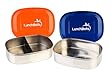
LunchBots Uno + Duo Set - cute new container in stainless perfect for sandwiches and snacks


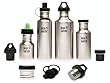
Klean Kanteen Stainless Steel Water Container - these are stainless steel bottles and come in a variety of sizes and COLORS perfect for any age and personality

You'll notice what I do NOT have because the ingredients on the manufactured ones are poor:

  • Granola, Granola Bars - store ones contain soy oil, canola oil, bad fats, sugar, all to avoid and it's actually pretty easy and MUCH more delicious to make yourself, I'll post our recipe fave with pictures soon as I'm due to make more
  • Cold Cereal - they normally contain sugar, corn, preservatives, even the organic varieties have things I don't like and I just don't believe cereal is good for us, it starts our day on carbs and the grain is not natural (it's puffed or extruded)
  • Salad Dressing - so easy to make your own, so much more delicious, ones on the market are gmo, soy oil, corn oil, cottonseed oil, even organic ones don't taste good and use bad oils, sugars
  • Mayo - though Wilderness Family Naturals makes a wholesome mayo
  • Frozen Meals and Pre-packaged foods - we make our own "pancake mix" and things like that, it's really easy and doesn't take so much time, there is just a learning curve, as with anything worthwhile in life
  • "White" stuff - plain old white sugar, white flour, white iodized salt, white rice
  • Artificial Sweeteners like Splenda, Asparatame, Saccharine - we use dates, safer sweeteners like xylitol, honey, maple syrup (lots of maple syrup!), date sugar, there are other sweet options
  • "Health" Foods and gimmicky stuff like Acai, unfermented soy stuff, power bars (except we do like Larabars, but they aren't organic so we don't induge that often)
  • Traditional Deli Meats - they contain nitrates which convert to nitrosamines that are carcinogenic
  • "Vegetable" oil like corn, soy, canola, peanut - these are all bad oils, some are even touted as "health" food but the research shows otherwise, more on that later
  • most prepackaged foods. Typical shelf stable non-organic foods contain HFCS, MSG, hydrogenated oils, and artificial colors. Organic foods don't, so it's easy for us to avoid those things but sometimes artificial flavors, MSG, non-GMO soy and corn do lurk in even organic pre-packaged foods so it's important to read labels and KNOW what you're reading.
  • Soda, even organic, it's just liquid candy so we don't buy it
  • Juices - the whole fruit and vegetable is much better than a pasteurized juice which is just full of sugar. We don't drink much juice, we have some on hand but it's not a staple that I must have nor do we drink a lot of it, not really health food
  • Potato Chips, even organic ones, the oil isn't good since they use cheap stuff for their own bottom line and the process of frying them creates acrylamides which are carcinogenic
  • any grain-fed meats or regular conventional rBGH agri-biz dairy
  • most name brands, there are some organic brands we now get but we tend to shy from big name brands just because the product quality ingredients deteriorate to make way for higher profit margins

Eating and preparing real food to me means being frugal with each item and really using everything you can, but it's not always easy. I believe in taking time in preparing and cooking food when possible. Making a meal with love adds flavor, nutrition, and to the pleasurable experience for the one making the food and those enjoying it. We all have our hurried moments, and for those days, which can be many in today's busy world, time-saving tips and being prepared with a good pantry and the right kitchen tools can help us eat healthy in a hurry.


I am really looking forward to reading all the posts for the real food Wednesdays carnival this week and incorporating more ways to save time in the kitchen from these hip, smart, eco-mamas writing these blogs.

This post is part of two Carnivals today:
and

Join Works For Me Wednesday at We Are That Family; Join the Real Food Wednesday Carnival by heading over to Kelly the Kitchen Kop

What’s Real Food?

Real food is whole, natural, and nutrient-dense.

* Organic
* Humanely raised (animals on pasture, not in factories)
* Grown locally when possible
* Whole and unrefined (real maple syrup instead of high-fructose corn syrup)
* Processed as little as possible (raw milk instead of pasteurized and homogenized)
* Nutrient-dense (enzymes, vitamins, minerals, and probiotics)
* Free of additives and preservatives
* Free of synthetic and chemical ingredients
* Not genetically modified
* Traditionally produced and prepared

In other words, butter or lard instead of shortening or vegetable oil. Real milk from a cow instead of soy milk. Real sprouted flour (ground fresh or purchased) instead of refined white flour. Real, natural sweeteners like honey or unrefined cane sugar (rapadura or sucanat) instead of white sugar.

If it’s highly processed and/or doesn’t come from nature, it’s not real food!

We’re not saying you have to be perfect (nobody is) but try to feature real foods in your recipes and minimize the junk like vegetable oil and refined sugar and additives.

Tuesday, February 10, 2009

Grocery Store Secrets

We were in the grocery store the other day. (Yes, now that our biz closed we have to go to one of those. And I find them very surreal. There is very little real food, lots of things to fill the belly, and loads of chemicals, but very little nourishing food and a pretty "hospitalized" look to the whole thing, in my opinion. Sometimes I still feel like an alien dropped on a strange planet when I enter. Take a look the next time, think of yourself landing here looking for real nourishing foods and see what you think.) Anyway, we're at the bakery and it was the end of the day so they had just restocked their bread on the shelf. Other customers are pulling loaves in bags complaining that they are wet. Of course they were wet! We know to expect that based upon our experience running a grocery store, but maybe you didn't know to expect that as a consumer. That leads us to our first "Grocery Store Secrets:"

1. That fresh wholesome bread (you know, the kind without all the chemicals that can preserve it into the next ice age), that real bread placed on the shelf that you think the store just got in just baked fresh, well, that's not really the case. All bread, ok, I'll say almost all since some local stores may very well be different and get bread in from a local bakery or even fresh in from a big manufacturer, but in most every chain grocery store, I'd say with a high degree of certainty, every single natural or organic loaf arrives to your grocery store FROZEN. Yes, it's true. All those brands in the bags, those arrive "fresh frozen," then your store puts them out on the shelf as fresh. That's why the bag is sometimes wet as it defrosts. Now, we never carried those "bread-like" brands with all the chemicals in there; it would not surprise me if they are delivered "fresh," whatever that might mean for a load of chemicals shaped into a loaf, but who knows. In our grocery delivery service we started by just delivering our bread frozen, but too many of our customers would be upset thinking that we got it in fresh and then froze it days later, of course that was not the case, but we changed instead of trying to explain it over and over again; we would simply take your ordered loaf out of the freezer the morning of your delivery or the day before so it would be nice and fresh and perfect upon delivery to you. We received many compliments that our bread was so much fresher than the store and that's why - it was defrosted just for YOU.

Most grocery bakeries are not fully functioning bakeries at all, they do not get up at 2am to make the bread, knead the dough, let it rise, roll it out, let it rise, bake it fresh; more often than not, they are using par-baked frozen loaves. If it's a big chain, they may have a main kitchen miles away where they do make some or most of their goodies and then ship to the local stores, but more than likely, even those are using the same doughs and mixes that are so readily available to all grocery stores nowadays, after all, time is money. Even the bread that they put in the bag to make you feel like you are living in quaint city with a corner bakery, those are all either par-baked and frozen or baked completely and frozen before they are defrosted for your enjoyment.

Oh, and it's not just the bags of bread, those cookies you think are made right there in your grocery bakery, those arrive as frozen cookies ready to defrost or frozen dough ready to bake up, same with the muffins all piled high and "fresh."

So, the next time you get that cookie for your little one thinking that they baked it right there on the premises with ingredients you would have in your own kitchen if you baked it, understand that is an illusion. Those cookies are created with a long list of ingredients, some of which you would never find in a family cupboard and may include chemicals that are hard to pronounce. Suffice to say, it is not the cookie grandma made for you.

2. Lets move over to chicken counter. All those men and women in white coats, not real butchers, again, it's the illusion. Some of them, maybe most, can indeed cut meat but all those cuts laid out so pretty in the glass case, you know, the boneless skinless breasts, the boneless thigh meat, the wing drummets, all that you think they worked so hard to chop up perfectly just for you, not true. These things come pre-cut and sealed in a giant plastic bag, much like a trash bag, only you know, sanitized for our protection. Giant plastic bag full o' chicken parts cut all the same so that the people in white coats can lay it out behind the nice glass case for you. Again I will insert my caveat that there MAY very well be a small local store that has a real butcher on premises and cuts all their own meats and chicken fresh but the vast majority get it all from the same manufacturers all prettied up and ready to sell. These same manufacturers sell the pre-packaged cuts like those pictured here. The bulk bag is cheaper for the store to purchase so they can actually mark it up higher; the pre-packaged tend to be more money since those are more expensive for the store to get in the first place, but it's all the same, one is not necessarily fresher than the other, it all depends when they arrived and how long it's been out. At least the pre-packaged stuff has a date.

3. The bulk spices in the grocery store that you think are such a great bargain? Those could have been sitting on the shelf for months. There is no telling. Unless you have a very honest local shop, and even honest shops have a hard time making ends meet, those spices are not as pungent as you might think so not as good a value. Those little spice jars, most grocery stores can just buy them individually, that means they don't have to buy a full case and wait to see if it sells in a timely manner. You get more pizazz for your buck getting the freshest of the spices, that usually means the pre-packaged and air-tight sealed containers.

The other items in the bulk aisle, I won't buy them personally. I don't know how long they've been sitting there, can be months, seriously, and I don't know whose grubby paws went in to take a little taste. Funny enough, those bulk items come to the store really cheap. The store marks them up MORE than the prepackaged stuff. We just assume they are a better value but sometimes, if you take the time to look and compare, you will see that there are several that actually cost more per pound than the clean pre-packaged of the same item. Plus in bulk you have no idea the brand unless it's marked so always compare the cheapest brand of the pre-packaged, probably the one we don't always look to purchase. That and the pre-packaged are at least sealed air-tight so will be fresher longer and the bulk, well, sitting there, sitting there. The grocery store makes a lot more money on the bulk so positions them well but a better value for us consumers? That's not usually the case.


4. And we'll end today where we are greeted in the store, with those colorful huge displays of fresh fruits and vegetables beckoning our entry into this foodtopia. You know how that lovely display of fresh produce seems to remain perfect no matter when you visit? That is a lot of hard work, go produce managers, and a lot of tossing and trimming. Many stores expect to lose up to 50% or MORE of the fresh produce that they put out! Of course, much of that smooshed, imperfect produce is used by the almighty hot food counter, the garbage disposal of the grocery store that turns junk into gold, literally. Things you would have turned your nose up to in the front counter, you buy and squeal in delight as you gobble it down from the counter in the back that prepares that wondrous array of "fresh" foods. Let's just say, it's not what grandma used to prepare the meals with love for her family.

And we haven't even discussed dairy out of refrigeration walking around in carts of people intending to buy it and then changing their minds and how that is put back on the shelf to the detriment of quality control, how filthy those grocery carts can really be, how grocery stores work us to buy the end caps and treats at check out as well as the products placed in the middle shelves, the sheer amount of utter waste, and that sometimes sales aren't really a savings at all. It's all a planned experience.

It's a dizzying scene, the grocery store. Try to find good real food. Try to read labels and if something doesn't come with a label, understand it probably did at one point (like "fresh" baked goodies.) Try to understand the game of grocery shopping and play it in your best interest instead of the best interest of the store's bottom line. It's not so much nourishing bodies as moving product out before it goes bad.

Wednesday, January 21, 2009

Lean & Green: How to Live Sustainably on a Budget

This is a very stressful, yet hopeful, time in our lives. Due to the economy, we are forced to make changes in what we buy for our family, but can we also choose what's best for the planet? "Green" seems to cost more, it takes time to learn and implement, it requires that we focus and prioritize. It may not seem like the best time to go green and eat healthier, but this is actually the perfect time to get healthy, heal our environment, and save money!

Especially under times of stress, we need to keep our immune system strong to ward off disease. Disease costs money, so there is a real savings there (avoiding doctor bills, medicines, days off) but it's deeper than that because without our health, we have nothing. Being healthier keeps us within our budget. Making changes that impact our health, in turn, helps heal our environment. And the truth is, choosing healthier options for our body and planet does NOT have to cost more; there are ways to save money while making good choices. We can tighten our belts and still eat delicious nutritious food that allow us to tighten our belts a notch as we get healthy and lose weight.

Support your body to do it's job to keep you healthy by:

1. Eating well
2. Sleeping
3. Exercising
4. Being Optimistic
5. Loving
6. Using Safer products On & Around Your Body


1. Eating Well.

This is the cornerstone of good health. We get more bang for our buck (more nutrition, less toxins) by choosing organic food, but many times they are more expensive than conventional (that was the point of the industrialization of food, to make it cheap, and they succeeded: cheap to make, cheap to buy, empty calories, not as nutritious, and really not even that delicious when you take the time to taste it) so it's important to remember why we buy food, not just to quell the pangs of hunger, but to nourish our body and family, to keep us healthy, as a delicious pleasurable experience.

In the U.S. we seem to think of food as an afterthought. We rush to a fast food place when we are starving or munch on things out of a bag. Sadly, we have the highest incidence of obesity, diabetes, and serious illness. We just don't care about what we eat. We care what we look like so we spend money on cars, and clothes; but food impacts how we look even more, yet oddly we don't give that the same attention. As Americans, we spend just over five (5%) percent of our income on food we make at home, that's lower than ever before and less than any other country. We need to put our home-cooked meals back on the front burner.
  • Make a decision on what to switch to organic or grass-fed or at least free-range, antibiotic-, and hormone-free for certain items your family uses most. You don't have to change over everything at once, and you shouldn't, that's setting yourself up for failure. But don't let that stop you completely either. Start with something. My rule of thumb is simple, make the small changes that have the biggest impact for your family. If your family eats a lot of dairy, go organic on that and grass-fed preferably; if you eat a lot of peanut butter, there we go; if you eat lots of meat, choose grass-fed instead; if you eat lots of bananas, choose organic even though those are no longer at the top of the list for having the most and worst pesticides (I say to choose organic despite that because, well, we don't wash banana skins and our kids tend to eat a lot of them which means a lot of those pesticides in their little bodies. You can't always go strictly by "the list" but it's a good guide. Always look at what YOUR family consumes most and particularly what the little ones are eating.) It's different for every family so take a good look at your groceries and what you are actually eating (versus tossing into the garbage) and choose organic or grass-fed and preferably local for those items. As an added benefit, by switching to organic for the things you need most, demand will help those prices come down.

    Choosing organic is a better "bargain" since organic foods are more nutritious than conventional, offering more antioxidants, vitamins and minerals. This makes sense since good soil creates good quality produce. Ounce for ounce you get more nutrition in organic food making them a better value.

    Being frugal in food does not mean buying cheap, cheap is empty calories not nutritional calories. Instead buy wisely and eat less of the more costly things. When you look at the per pound cost of packaged items versus organic whole real foods, you will see that fruits, vegetables, milk, even some cuts of meats are less costly than packaged conventional foods. The University at Buffalo conducted a study in 2002 where families swapped their calorie-laden pre-packaged foods for real foods like fruits, vegetables, and other healthful options. The result? They reduced their food bill and their weight! Save money, get healthier and save the planet, all at the same time!

  • Find and frequent a real local farmer's market or join a CSA. I say real because a real farmer's market is where real farmer's set up tables to sell what they harvest. Throughout the country, there are many now that are setting up tents of things they buy from distributors. Those are NOT farmer's markets. You may still be able to get a good deal there if you are prepared and have comparison shopped; and you have to trust the person selling it. Better to support your local hardworking farmers. Meet the farmer's in your area, talk to them to find out if they are certified organic or not and if not, why not. Find out how they manage their farm. Some farmers might use organic practices but are not certified while others, even though small, may be using heaps of chemicals and pesticides so take the time to chat. Find out about season and harvest times and what they grow. Visit the farms if you can.

    Once you find a farmer's market with local organic (even if not certified) options, make this a weekly tradition with your family for eating healthy and meeting others in your neighborhood who share your values.

    A CSA is Community Sponsored Agriculture. That's where you will buy a share of local seasonal produce for your area and support the local farmers in your area.

  • Buy in season. Be wary of temperature fluctuations which can cause prices to rise (for example, Florida strawberries and peppers were hit hard by the cold snap, expect those prices to rise due to limited supply.)

    Seasonal produce is less costly. You can even buy in season and freeze or can it for later! Speaking of freezing, check the freezer section for organic fruits and vegetables, their per pound price is usually less, especially off-season. (Be sure to recycle that plastic bag!)

  • Plan your Menu & Cook at Home. Nothing will help you save money more than cooking at home. There are so many sources for recipes, easy and fast, or slow and elegant. The way to learn and get better is to practice and plan. Plan what you'll make for each meal during the week. Plan your meals around what is in season, on sale, and less expensive. Knowing what you need each week, based upon season and availability, allows you to stick to your budget and save money.

    Instead of planning a meal around the meat, try planning it around a veggie, beans, or whole grains since those are less expensive. Use meat as the "side dish" or use it to enhance the meal rather than as the main staple.

    There are other benefits to eating at home as a family including better communication, bonding, good self-esteem, good behavior, better grades, getting to know one another more, trying new foods or taking adventures together to other countries through food.

    Enjoy eating with friends or cooking for friends. Have friends over for a potluck dinner. Plan a meal swap group. This way each person gets to make their specialty and you get other home-cooked meals ready for you to heat and serve on nights you are too busy to cook yourself.

  • Join a buying club or food co-op. That's where the buying power of many is pooled together to buy in bulk at drastically discounted prices. You can share a 25lb bag of rice amongst your group or boxes of fresh produce. If one doesn't exist around in your area, start one. If you need help on how, let me know. If you don't have time but still want to join, I can help you coordinate it. If you are in Florida, join us in Annie's Organic Buying Club.

  • Print coupons. It's never been easier to get coupons and yes, they even exist for organic brands. Search their web site. Companies are happy to help you choose their products. Many times just sending a thank you or making a suggestion for a type of product will prompt them to send you a coupon! However, you do not need to buy a product just because you have the coupon. You can still afford to be picky, and well you should, this is for your health and the health of your family - that's an important job! Get coupons from your favorites including:
  • Shop Sales, Buy by the Case, Comparison Shop, Buy in Bulk, Choose Store Brands, & Shop Discount Stores. Comparison shop for the things you need most. Organics go on sale. They even move to discount stores like Big Lots. Stock up when you find a great bargain but check dates; organic and natural products tend to have shorter expiration dates so buy only what you'll use in time. Look for store brands that are usually less expensive but just as good a quality. Shop for items in bulk. I'm not a big fan of those bulk bins (with people stick their hands in and you never know how long it has been sitting there) but if they offer a bulk bag that you can purchase, do it! Many times local grocery stores will take pre-orders for certain items and only charge a marginal increase over wholesale, ask about that possibility.

  • Grow it yourself. No matter where you live, you can grow something. Grow herbs, grow vegetables, grow something that you will enjoy to enhance your cooking. You'll also be teaching your children a valuable lesson in working the earth, even if it's just in a window box.
Instead of putting on "recession pounds" by eating cheap food, now is the time to eat less, lose weight (for those of us that need to do that), enjoy time with our families, learn about food, and eat well. It's time to get back to the basics of enjoying life. Eating well involves: Sitting with your family for meals. Learning new recipes. Cooking meals at home. Cooking more from scratch with whole real foods. Limiting pre-packaged and processed foods. Limiting restaurant food and take-out. Choosing natural, grass-fed, and organic foods, especially for those things your family eats most. Enjoying really delicious food prepared with love and care. Taking pleasure in nourishing your family and seeing them enjoy the real food you have prepared together.