
We did it cold turkey. We just stopped buying all the "brand" name cleaners. It was a bit strange. It was many years ago when we had a housekeeper. Talk about a deer caught in the headlights!
She resisted hard. She even went out and bought some products herself but we made it clear that this was our new reality. Slowly we all learned how to use safer brands and regular household items we had on hand to clean.
Turns out that smell we have been taught is "clean" is actually toxic. We have to retrain our sniffer once we stop using chemical cleaners. Standard cleaning products are linked to infertility, asthma, and cancer. These strong chemicals can be especially dangerous to our children. According to a 1991 study, we use more than 25 gallons of toxic products per year in our homes. Indoor air pollution is often much worse than the pollution outdoors; this is due in large part to the cleaning products and air fresheners, but also is due to burning scented candles and off-gassing of new items in our home. These smells are harmful to us, our children, and our environment.
To make your home truly clean and healthy, make changes slowly. For many of us, changing brands and the way we clean (as well as the choice we make in our personal care items) is the last thing to change. It's hard to do it differently than the way our mother did it. But I encourage you to join me and many others in making this change. Do it for your health, the health of your family, and to tread lighter on the planet. Start with the worst offender, Chlorine.
Chlorine Bleach (Sodium Hypochlorite) is one of the most widely used toxins for cleaning. Chlorine can react with other chemicals, like ammonia, to damage lungs and the fumes are possible carcinogens. Once Chlorine gets into our environment, it forms cancer-causing compounds. Studies show a link between dioxins and cancer as well as reproductive problems, endocrine disruption, and a weakened immune system. It is listed as a "hazardous pollutant" according to the Clean Air Act and is on EPA's Right To Know List.
Chlorine is used in clothing, paper products, swimming pools, laundry products, scouring pads, in our drinking/bathing water, and of course in cleaning products. It is readily absorbed through the skin and is toxic when inhaled. In fact, it was used full strength as a weapon to destroy the lungs of soldiers in WWI. Detergents and Chlorine are the leading cause of childhood poisonings. Cleaning products are responsible for nearly 10%t of all toxic exposures according to U.S. Poison Control Centers, and nearly two-thirds involve children under six years of age who swallow or spill cleaners on themselves.
Avoid personal and cleaning products that contain:
- Ammonia
- APEs - Alkylphenol Ethoxylates
- Chlorine Bleach
- DEA, MEA, TEA
- Fragrance*
- Sodium Lauryl Ether Sulfate - SLES or SLS Sodium Laureth Sulfate
*
When the ingredients generally list "fragrance," it is highly likely that they are hiding phthalates. Phthlates are known hormone disrupters leading to issues in fertility; they have been linked to birth defects. Plasticizers in plastic products also contain phthalates. Fragrance from pure, natural, essential plant oils are fully biodegrade and are non-toxic. But this is a very short list and unbeknownst to us consumers, not all ingredients are listed on labels because they are considered "trade secrets." This is common in perfumes and personal care products. But watching for these key chemicals is a start.
Then there are terms that make us feel warm and fuzzy so we buy them thinking they are safer but buyer beware, the following terms are unregulated or don't necessarily mean much of anything:
- "biodegradable" (unless it gives a clear time frame)
- "eco-friendly"
- "nontoxic"
- "natural"
- "no CFCs" - no Chlorofluorocarbons**
- "non-toxic"
- "organic"
**Chlorofluorocarbons (CFCs), Hydrochloro-Flourocarbons (HCFCs), and Halons deplete the ozone layer and allow UV radiation to get to earth (potential skin cancer). They are also a cardiovascular toxin. They have therefore been BANNED since 1978. So a note of "no CFCs" on the label of an aerosol is completely misleading and meaningless. Nowadays aerosols use Isobutane Propane and Butane and though they don't destroy the ozone layer, the latest studies indicate that they are toxic to the heart and central nervous system. Aerosols are inherently dangerous because the very nature of pushing tiny droplets into the air means that the contents can be easily inhaled and absorbed quickly into our bloodstream. As a rule, avoid aerosols.There are now plenty of safer cleaning brands including: CitraSolv, Ecover, Oxo-brite, Ecos/Earth Friendly, Seventh Generation, and now even Chlorox has Green Works. All of these work just as well as the standard commercial brand but are safer for people and planet. Begin by replacing your standard brands as they run out with better brands or better yet, save money by making your own safe effective cleaning products (as well as personal care products) at home with simple supplies like:
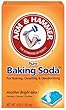
- Baking Soda or Sodium Bicarbonate
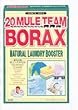
- Borax
- Club Soda
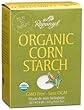
- Corn Starch
- Essential Oils
- Flour
- Herbs, fresh
- Hot Water - steamer or boiling water
- Hydrogen Peroxide
- Lemons and Fresh Lemon Juice
- Liquid Castile Soap - Dr. Bronner's
- Oil
- Salt
- Scrub Brushes, Spray Bottles and Containers
- Sodium Carbonate or Washing Soda or Soda Ash
- Toothpaste
- Vinegar
Baking Soda is a great all around, nontoxic, product with many uses. It deodorizes, scrubs gently, polishes, cleans and removes stains.
- removes tarnish from silver
- cleans stainless steel
- removes crayon marks from walls
- deodorizes, neutralizing acid-based odors
- absorbs odors
- soothes sunburns, prickly heat and wind burn
how to:
- dab with a damp cloth as a nonabrasive cleanser for kitchen and bathroom and to get crayon, ink, or pencil marks off walls and wallpaper, wipe clean
- mix with salt for a tougher abrasive for sinks and kitchen
- add a cup to the laundry wash to neutralize perspiration odors and other odors
- add 1/4 cup to laundry as a fabric softener
- use as and air freshener, carpet deodorizer, and to absorb odors in the fridge
- make a thick paste of baking soda and water and apply it to silver with damp cloth, rub, rinse and buff
- for a stronger laundry detergent and stain remover- add 1/2 cup baking soda to the detergent
- polish silver and stainless steel with a paste of baking soda and water
- soothe sunburn with a mild 15 minute bath with 1/2 c baking soda in the bath water
- baking soda mixed with confectionery sugar will kill the roaches - BOOYAH!
- mix with Castile soap like Dr. Bronners to form a gentle creamy cleanser
- Tub and Tile Cleaner - mix 1 2/3 cup baking soda with 1/2 cup Castile soap and 1/2 cup water. Right before ready to apply add 2 T vinegar (vinegar reacts with baking soda if you add it too early so wait a few minutes and then do it when you're ready.) Apply, wipe and scrub. This recipe is from CHEC
- Silver Tarnish Magic - in a clean sink put a sheet or a crumpled piece of aluminum foil, then add 1 t baking soda, 1 t salt and 2 quarts boiling water and stir. Add your silver and let soak. Voila! Rinse, dry and buff with a nice soft cloth.
- Maintain clean drains, mix: 1/2 cup baking soda,1/2 cup salt and1/8 cup cream of tartar. Pour it down drain and follow with hot water. Note: Use all mixture; it does not remain active if stored. (from Home Safe Home) OR pour the old box that has done it's time in the fridge absorbing odors down the garbage disposal to freshen the disposal. If you need to degrease the disposal too, after the baking soda add 1 cup of vinegar and let it bubble for 15 minutes or overnight. Rinse with hot water. (this recipe from CHEC HealtheHouse, Safe Cleaning recipes)
Borax is a natural mineral and can be used as a ant trap and another roach killer when mixed with sugar. IMPORTANT NOTE: keep out of the reach of kids and pets as it's toxic if swallowed. Cautions: use gloves with it, don't use on aluminum
- disinfects
- kills mold and bacteria
- inhibits the growth of mold
how to:
- Disinfectant - mix together:
1/2 cup borax
1 gallon hot water (use 2 gallons water to clean the floors)
for added touch add some drops of essential oil or steeped fresh herbs (don't forget to pull out the herbs before you use it)
you can also add 1/4 cup castile soap for extra cleaning strength - Disinfectant - this recipe from CHEC HealtheHouse, Safe Cleaning recipes. Mix and put in spray bottle:
2 t borax
4 T vinegar
3-4 cups hot water - Extra Strength Disinfectant - this recipe from CHEC Heal the House, Safe Cleaning recipes. Mix together:
2 t borax
4 T vinegar
3-4 cups hot water
1/4 t castile soap - Remove Mildew in the bathroom by letting this sit on the site a few minutes and then scrubbing (from Pinksunrise Family Health Center, Cleaning the House Safely):
1/2 cup vinegar
1/2 cup Borax
2 cups water - Blood stains can be removed(this recipe from Pinksunrise Family Health Center, Cleaning the House Safely)by first rinsing in cold water, then scrubbing under warm water, then dip in a solution of:
1 quart borax
2 cups cold water - Stains on clothes - pre-wash soak clothes in water with Borax (or Lemon Juice or Hydrogen Peroxide or Vinegar)
- Cleaner, general, mix (from Home Safe Home): Mix hot water, castile soap, borax.
- Toilet Cleaner:
1 cup of borax
1/4 cup distilled white vinegar or lemon juice
and let it sit a few hours (or leave borax in overnight and then add vinegar the next day). Then scrub it with a toilet brush and flush clean.
Club Soda can help remove stains and can be combined with other products.
- blot recent stain, pour on club soda, rub, wash as usual
- pre-laundry to remove grease or wine stains - pour it on and scrub
- apply to wine stain on carpet and rub it in, wait and few moments and sponge off
- pour over fixtures to clean and shine
Corn Starch can be used in combination with baking soda as a deodorant under clean under arms. It has many uses, be sure to get non-GMO corn starch.
- removes sand off the kids from the beach before they get into the car
- removes cut hair off the kids after haircuts
- is a safer than baby powder
- cleans and deodorizes carpets and life's messes in carpets
- for crisp ironing - mist on 2 T cornstarch in 1 pint water (shake before spraying) (this recipe from Pinksunrise Family Health Center, Cleaning the House Safely)
Essential Oils - like lavender, clove, tea tree oil (fungicide), grapefruit seed extract - 1teaspoon to 2 cups water or 20 drops per quart:
- adds fragrance
- has some cleaning and antibacterial power
- use as an effective, safe air freshener
- Herbs like essential oils can add fragrance. Steep them in the hot water. Bay leaves in the flour will keep the buggies away.
Flour is an all purpose effective abrasive that can clean:
- chrome - use white flour on a dry rag
- copper, brass, bronze and pewter - mix 1:1:1 Flour, Salt and Vinegar to form a thick paste. Rub on, let sit for an hour, rinse off and buff.
Boiling Hot Water is a powerful disinfectant and kills germs. Use it in the shower when rinsing it down. Scrub your cutting board with hot water and soap after each use.


Hydrogen Peroxide is also a great disinfectant and helps heal cuts.
- Clean your cutting board with a spray of peroxide and then separately spray with vinegar or vice versa (don't combine them in one bottle. doing one and then the other is best.)
 Lemon and Fresh Lemon Juice
 smells great, cuts grease, and whitens because it is acidic. Lemons come in their own scrubbing case - use the entire lemon!
- neutralizes alkaline - dissolves gummy build up, tarnish, removes dirt from wood
- cleans stains on porcelain and aluminum - dip cloth in lemon juice, polish, rinse with warm water
- cleans copper, bronze and aluminum - rub with lemon slices, if necessary, sprinkle lemons with baking soda and then rub (this recipe from CHEC Heal the House, Safe Cleaning recipes)
- mix lemon juice with baking soda and water to disinfect countertops, microwaves, bathrooms
- apply lemon juice to a stain on cotton clothes then let the sun to naturally bleach it
Liquid Castile Soap like Dr. Bronners is an all purpose cleaner that can be used in a myriad of ways. It is a mild soap made from olive or coconut oil instead of the typical petroleum-based cleaner.
- refill your hand foam soap dispensers with 1/3 to 1/2 castile soap and water
- It cuts grease and can be used to clean almost anything.
Oil is great for furniture polish. You can use virtually any oil including olive, coconut or flax seed oil to make your own furniture polish:
- mix oil:lemon juice in proportion 1:1/2
- mix 1 T lemon juice or white vinegar with 1/2 cup oil
- mix 1 t oil with 1/2 vinegar for dusting (this recipe from CHEC Heal the House, Safe Cleaning recipes)
Salt is a nice abrasive and can be used for gently scrubbing and cleaning. Add salt to a copper pan with a lemon and scrub to get off the tarnish. (this recipe from Pinksunrise Family Health Center, Cleaning the House Safely)
Sodium Carbonate or Washing Soda is a natural mineral related to baking soda but much stronger. It cuts grease, cleans petroleum oil, removes wax and lipstick, neutralizes odors. Cautions: use gloves with it. Don't use on fiberglass, aluminum, or on waxed floors (unless you want to remove the wax); don't use a thick paste on a painted surface or it will peel off the paint.
how to:
- tough jobs on glass or stone: make a paste with washing soda and water, spread it on, leave overnight but mist it some to keep it moist, rinse
- for a stronger laundry detergent and stain remover- add 1/2 cup washing soda to the detergent
- for a stubborn stains - make a paste of water and washing soda (use gloves) or use non-chlorine bleach like Oxo-Brite or another one containing Sodium Percarbonate or Sodium Perborate.
- General Cleaner - from Home Safe Home:
1/2 cup washing soda
bucket of hot water - Floor Cleaner for greasy floors - mix together:
1 cup white vinegar
2 gallons hot water
1/4 cup washing soda
1 T soap
Toothpaste is a great nonabrasive cleanser (and it smells minty fresh too!)
- use to get the white rings off wood furniture - dab it on, let it dry and gently buff off (this recipe from Pinksunrise Family Health Center, Cleaning the House Safely)
Distilled White Vinegar can clean so many surfaces from the hard to the soft, it shines metal and yes, it even does windows. It is acidic, it kills germs, it whitens, it cleans mildew, soap scum and grime from the bathtub, tile, shower curtains, it cleans copper, bronze and pewter
- removes stains from cloth (clothes, furniture) - apply to the stain and then wash
- use in bathroom - fixtures and floor
- cleans rust - soak in vinegar overnight
- pre-laundry to keep colors brighter and prevent fading
- disinfect kitchen surfaces
- kill bacteria, mold and virus in the bathroom
- after applying baking soda water solution to "wash" your hair, apply a vinegar water solution to rinse it
how to:
- straight strength for cleaning rust and mildew and as pre-laundry
- as a fabric softener use 1/2 cup in the rinse cycle
- 1:1 Vinegar:Water in a spray bottle and wipe clean for lighter jobs
- Windows:
1 quart of water and 1/4 cup of vinegar OR
1 quart of water and 3 T of vinegarOR
ratio of 1:1/2 water:vinegar (this recipe from CHEC Heal the House, Safe Cleaning recipes) - Extra Dirty Windows: 2 cups of water and 3 T of vinegar and 1/2 t castile soap
- soak bright colors in vinegar for 10 minutes before washing in the laundry
- add it to soap to make a new super soap mixture
- Floor Cleaner - (this recipe from Pinksunrise Family Health Center, Cleaning the House Safely) mix together:
1 cup white vinegar
2 gallons hot water - Toilet cleaner - leave overnight - combine 1:1:1
baking soda
borax
white vinegar - For cleaning up grease, cleaning expert Annie Berthold-Bond recommends a spray bottle with:
1/2 teaspoon of washing soda,
2 tablespoons of distilled white vinegar,
1/4 teaspoon liquid soap, and
2 cups of hot water - Clean copper, brass, bronze and pewter - mix 1:1:1 Flour, Salt and Vinegar to form a thick paste. Rub on, let sit for an hour, rinse off and buff. Clean copper with lemon juice or hot vinegar and salt.
- to get out Chocolate & Coffee Stains mix: 1 teaspoon Vinegar with1 quart cold water. Sponge on and wipe clean. (this recipe from Pinksunrise Family Health Center, Cleaning the House Safely)
Other cleaning tips and tidbits for eco-friendly cleaning on a budget:
- Use cold water instead of hot water and save 85% of the energy and $ on the washer.
- 5-10% of the electric bills are for using the dryer so line dry. Sunshine can bleach out stains and is a natural disinfectant.
- Wipe windows with newspaper for streak-free clean.
Links for more info:
Recommended Reading:

This is part of the Green Moms Carnival
. Tiny Choices is hosting the March carnival:
Green Spring Cleaning If you’d like to participate, please send a link to your relevant blog post by March 8th to: jenn AT tinychoices DOT com. The carnival will run on March 10th.
And in related awesome news, the Green Moms Carnival recently won the “Green” category at the Shorty Awards!


 The internet is great for sharing information. Unfortunately, it's equally great at sharing misinformation. And as we all know, a little information can be a dangerous thing.
 "We do use chlorinated water in the processing of our carrots; HOWEVER, the amount of chlorine used is only 4ppm (parts per million) which is the same standard for household tap water. If you wash your vegetable under running water from your faucet, you are getting the same amount of chlorine we use.





 Posts
Posts


